Architectural Acoustics Meets Deep Learning: Predictive Design Frameworks
From Reactive Acoustics to Predictive Design Intelligence
Architectural acoustics has traditionally relied on empirical models, laboratory testing, and post-occupancy correction to achieve acceptable sound performance. While these methods remain foundational, they often struggle to respond efficiently to the increasing complexity of contemporary architecture. The emergence of deep learning introduces a predictive paradigm capable of modelling acoustic behaviour earlier and more accurately in the design process. By integrating artificial intelligence with acoustic science, designers can anticipate sound performance before construction, enabling informed spatial, material, and geometric decisions that prioritise occupant comfort and functional clarity.¹
Foundations of Deep Learning in Architectural Acoustics
Limitations of Classical Acoustic Prediction Models
Conventional prediction methods such as Sabine-based reverberation calculations and geometric ray tracing rely on simplifying assumptions about sound diffusion and material behaviour. While effective for basic enclosures, these models can lose accuracy in complex geometries, hybrid material systems, and irregular spaces. Deep learning addresses these limitations by learning from large datasets rather than relying solely on predefined physical assumptions, enabling more flexible and context-sensitive prediction.²
Neural Networks and Acoustic Feature Learning
Deep neural networks excel at identifying non-linear relationships between spatial geometry, surface treatment, and acoustic response. In architectural acoustics, models can be trained using inputs such as room dimensions, surface absorption coefficients, and material distribution to predict parameters like reverberation time, speech clarity, and sound pressure distribution. Unlike manual modelling, deep learning automates feature extraction, revealing acoustic interactions that are difficult to isolate analytically.³
Training Data: Simulations and Measured Environments
High-quality training data is essential to reliable predictive performance. Acoustic datasets increasingly combine numerical simulations with measured data from built spaces, allowing models to generalise across different typologies. This hybrid approach improves robustness while reducing dependence on exhaustive physical testing, supporting faster and more adaptive acoustic design workflows.²
Predictive Acoustic Design as an Early-Stage Design Tool
Deep learning transforms architectural acoustics from a corrective discipline into a proactive design driver. Predictive frameworks allow designers to evaluate acoustic performance during concept development, when geometry and material strategies are still fluid. By enabling rapid comparison of design options, AI-driven acoustics supports informed trade-offs between spatial openness, material expression, and sound control. This early integration reduces costly retrofits and improves overall design efficiency, particularly in large or acoustically sensitive projects.
Applications in Architectural and Interior Design
Room Acoustics and Spatial Optimisation
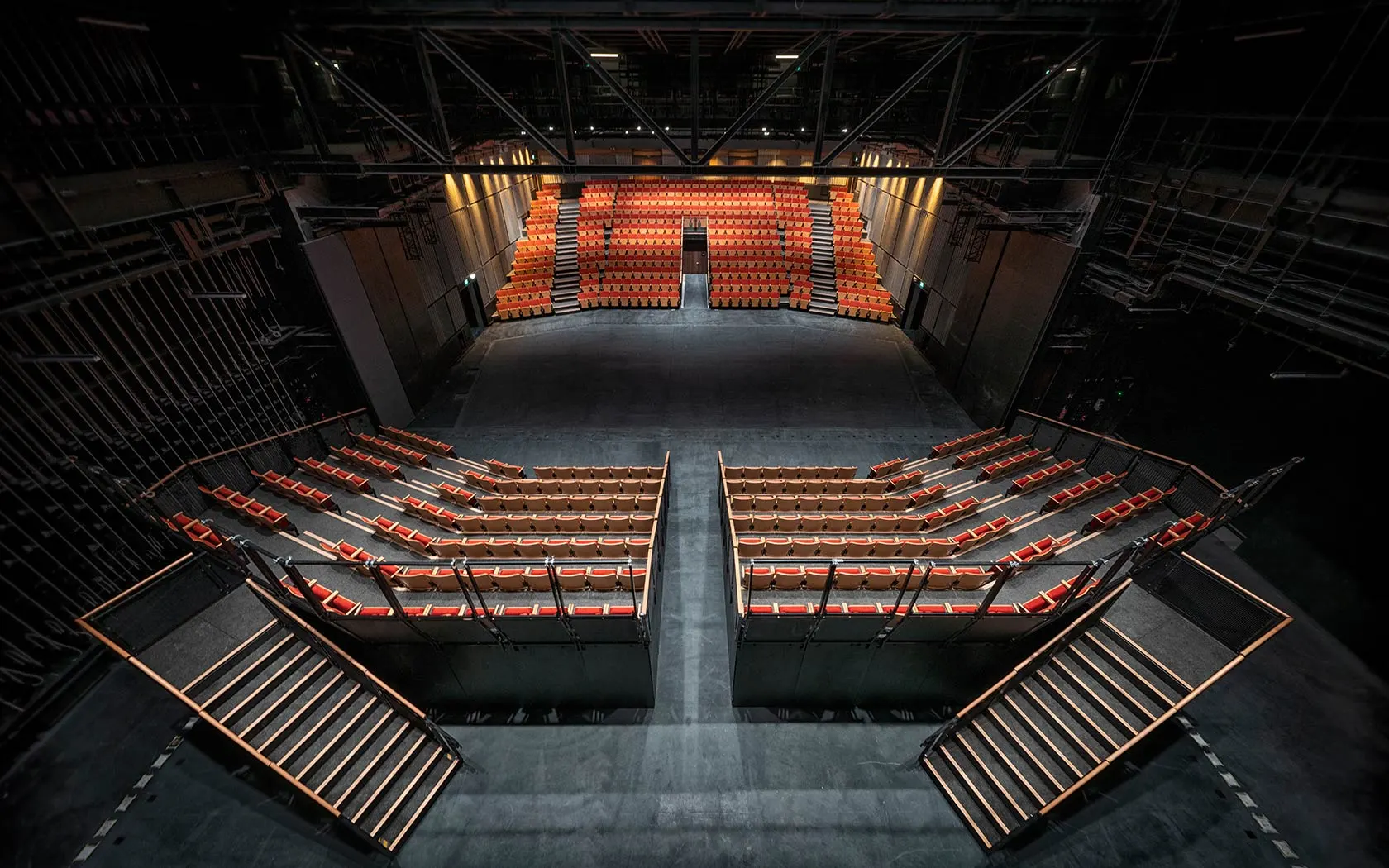
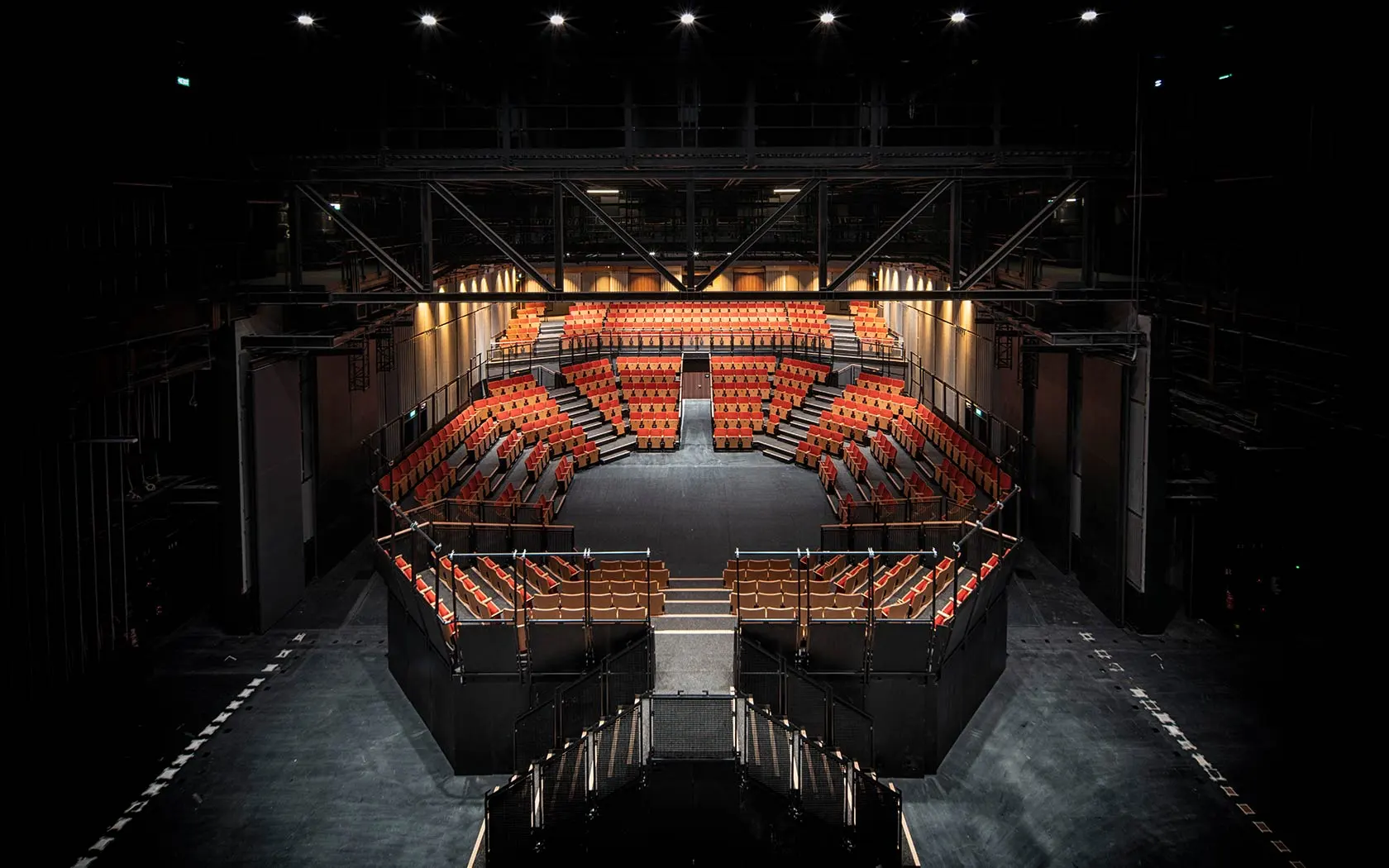
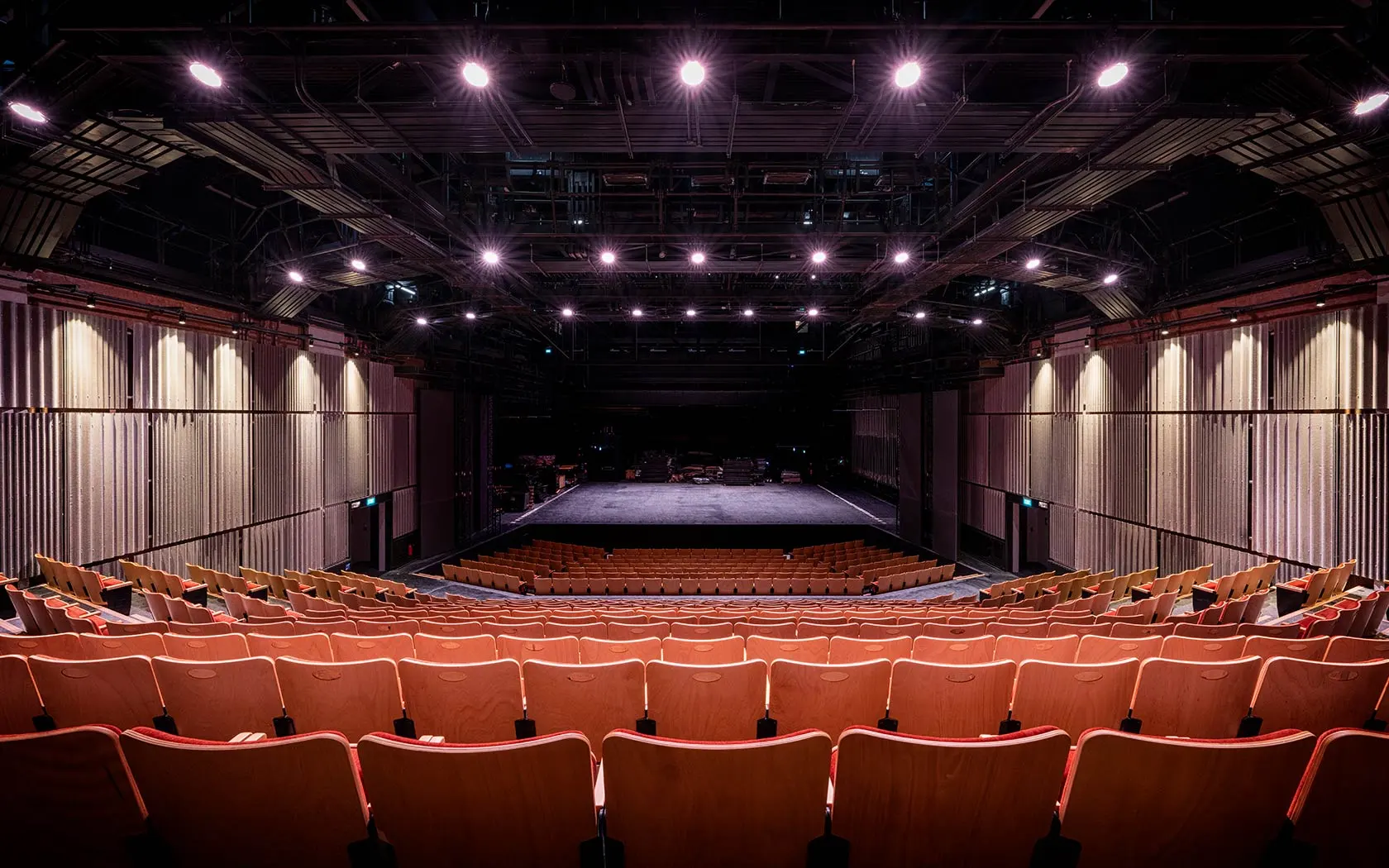
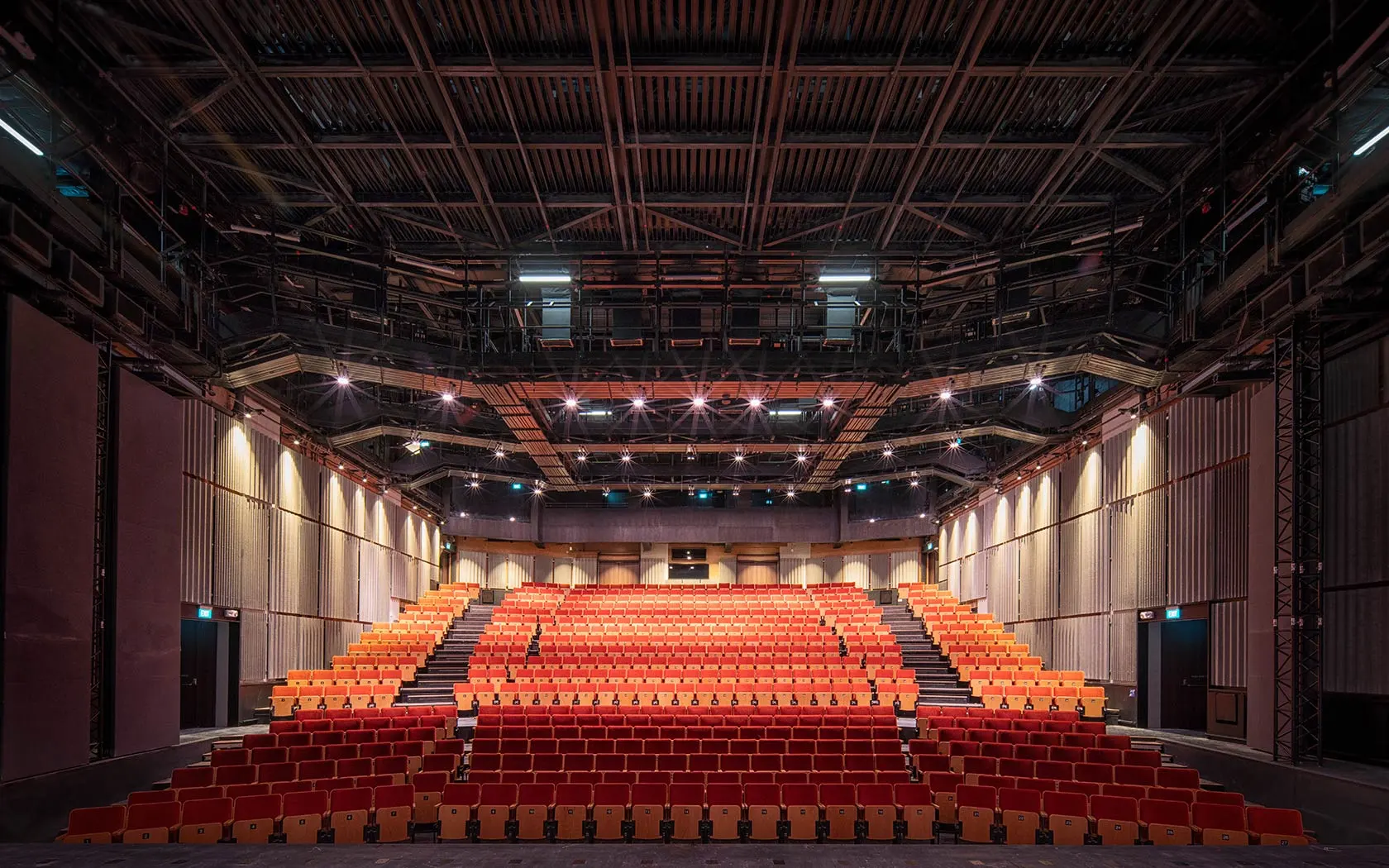
In performance venues, open-plan offices, and learning environments, deep learning models can estimate reverberation time, speech intelligibility, and sound distribution before construction. These predictions support evidence-based decisions regarding ceiling height, surface articulation, and material placement. By embedding acoustic intelligence within digital design tools, architects can optimise spatial layouts while preserving architectural intent.⁴
Material Development and Acoustic Panel Engineering
Manufacturers are increasingly applying deep learning to optimise acoustic materials themselves. By correlating fibre density, perforation patterns, and backing configurations with absorption performance, AI models enable rapid virtual prototyping of acoustic panels. This approach shortens development cycles, reduces material waste, and aligns product innovation with both performance and sustainability goals.¹
Performance, Wellbeing, and Environmental Alignment
Supporting Acoustic Comfort and Occupant Health
Acoustic comfort is a key determinant of wellbeing in interior environments. Excessive reverberation and background noise contribute to cognitive fatigue, stress, and reduced productivity. Predictive acoustic frameworks allow designers to meet comfort targets more consistently, supporting healthier and more inclusive spaces across workplaces, healthcare facilities, and education environments.⁵
Integration with Digital and Sustainable Design Systems
Deep learning-driven acoustics aligns with broader digitalisation trends in the built environment. When integrated with building performance simulation and digital design platforms, predictive acoustics supports holistic optimisation alongside thermal, lighting, and energy performance. This systems-based approach reflects a shift toward intelligent, data-driven architecture where acoustic quality is embedded within overall building performance rather than treated as a separate layer.⁶
Shaping the Future of Acoustic Design Through Intelligence
The convergence of architectural acoustics and deep learning represents a fundamental shift in how sound is addressed in the built environment. By enabling accurate, early-stage prediction of acoustic performance, AI-driven frameworks empower designers to make informed decisions that balance spatial ambition with acoustic comfort. These technologies do not replace established acoustic theory; rather, they extend it—augmenting human expertise with computational intelligence capable of managing complexity at scale. As digital design workflows continue to evolve, predictive acoustic frameworks will play an increasingly central role in creating buildings that sound as good as they look, supporting wellbeing, performance, and sustainability through informed, data-driven design.
References
- Cox, T. J., & D’Antonio, P. (2016). Acoustic absorbers and diffusers: Theory, design and application (3rd ed.). CRC Press. https://www.taylorfrancis.com/books/mono/10.1201/9781315369211/acoustic-absorbers-diffusers-theory-design-application-trevor-cox-peter-dantonio
- Kuttruff, H. (2009). Room acoustics (5th ed.). Springer. https://link.springer.com/book/10.1007/978-3-540-48830-9
- Goodfellow, I., Bengio, Y., & Courville, A. (2016). Deep learning. MIT Press. https://www.deeplearningbook.org
- World Health Organization. (2018). Environmental noise guidelines for the European region. World Health Organization. https://www.who.int/publications/i/item/9789289053563
- Massachusetts Institute of Technology. (n.d.). Artificial intelligence and machine learning research. Massachusetts Institute of Technology. https://www.eecs.mit.edu/research/explore-all-research-areas/artificial-intelligence-and-machine-learning/
- International Energy Agency. (2017). Digitalisation and energy efficiency. International Energy Agency. https://www.iea.org/reports/digitalisation-and-energy
Share