Smart Façade Cladding with AI-Driven Energy Performance Feedback
From Passive Building Envelopes to Intelligent Skins Façade cladding has evolved from a largely passive enclosure into a dynamic interface between buildings and their environments.

From Passive Building Envelopes to Intelligent Skins Façade cladding has evolved from a largely passive enclosure into a dynamic interface between buildings and their environments.

From Prescriptive Fire Testing to Predictive Intelligence Fire performance assessment of wall systems has traditionally relied on prescriptive testing, standardised assemblies, and conservative design assumptions.

Fire Safety as a Critical Acoustic Design Constraint In high-occupancy buildings such as offices, schools, healthcare facilities, transport hubs, and assembly spaces, acoustic comfort must

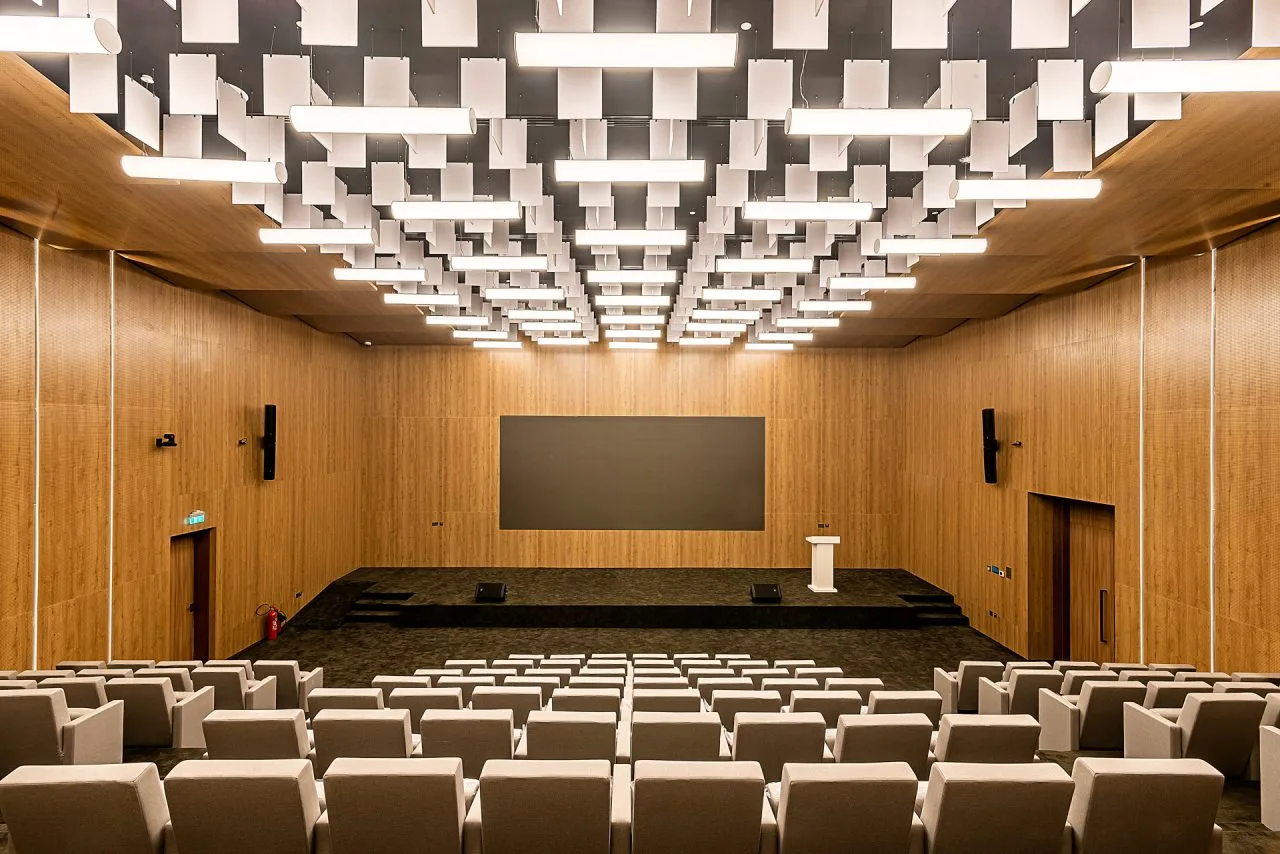
Evolving Acoustic Performance Beyond Traditional Design Acoustic wall panels have long been engineered through empirical testing and material iteration to manage reverberation and noise control

From Manual Coordination to Data-Driven Precision Facade cladding design has traditionally relied on manual coordination between architects, engineers, and fabricators to balance aesthetics, constructability, and

Material Emissions as a Design and Health Consideration Interior cladding finishes play a critical role in defining both the aesthetic and environmental quality of indoor

From Linear Material Use to Circular Facade Strategies As the construction sector responds to mounting environmental pressures, facade design has become a critical arena for

Material Health as a Core Design Responsibility As buildings become more airtight and performance-driven, the health implications of material selection have moved to the forefront

The Expanding Role of Facade Cladding in Sustainable Construction Facade cladding systems play a critical role in shaping the environmental, thermal, acoustic, and aesthetic performance

Why Environmental Transparency Now Shapes Architectural Practice As sustainability expectations intensify across the built environment, architects are increasingly required to substantiate material decisions with credible,