Sustainable Acoustic Solutions for Open-Plan Workspaces
Rebalancing Collaboration and Acoustic Comfort
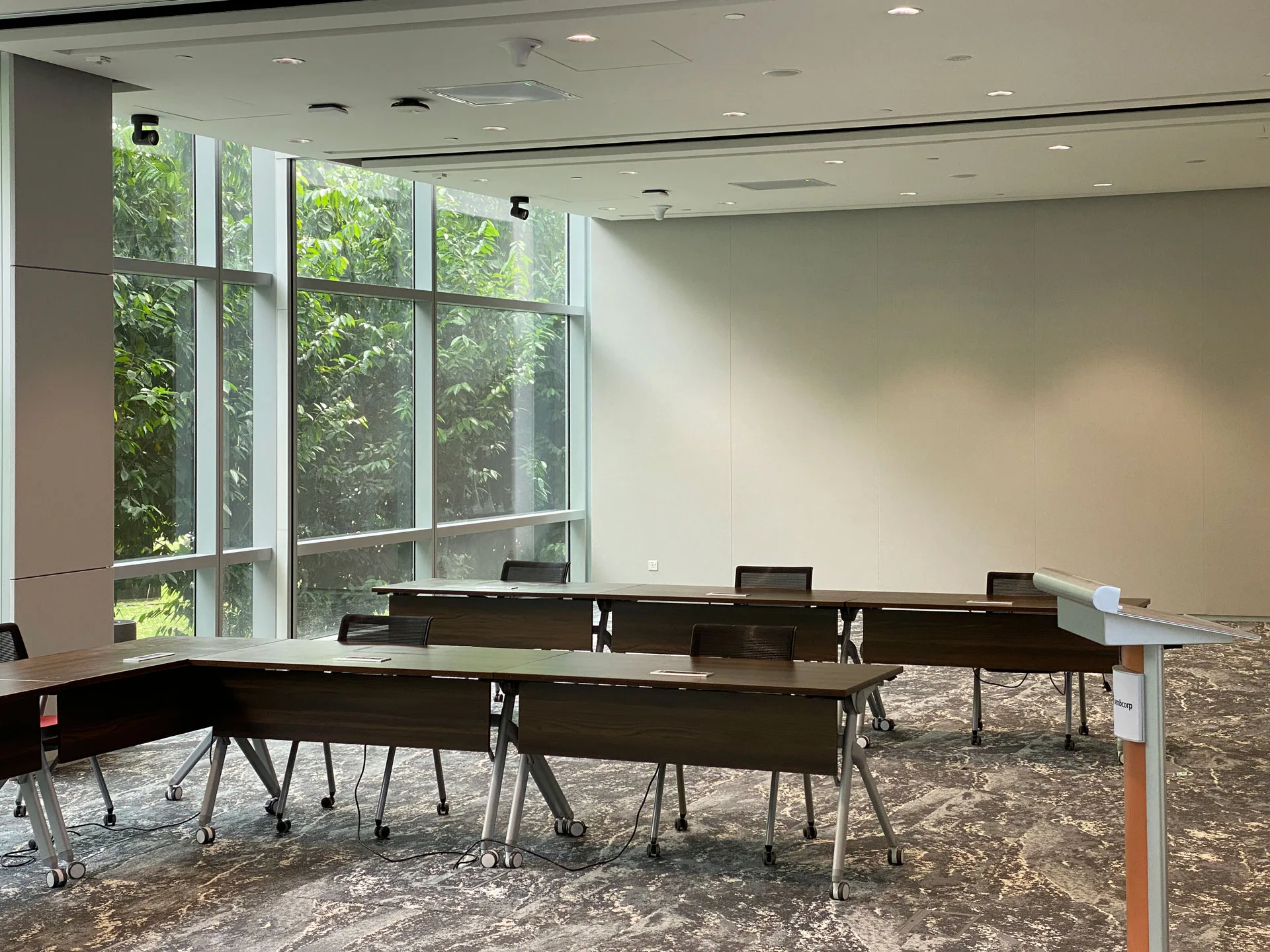
Open-plan workspaces have become a defining feature of contemporary office design, driven by goals of collaboration, flexibility, and space efficiency. However, these environments often introduce significant acoustic challenges, including elevated background noise, reduced speech privacy, and increased cognitive load for occupants. As organisations place greater emphasis on employee wellbeing and sustainability, acoustic solutions must now deliver sound control while aligning with environmental performance expectations. Sustainable acoustic panels represent a critical intersection of comfort, productivity, and responsible material innovation.¹
Acoustic Challenges in Open-Plan Environments
Speech Noise and Cognitive Distraction
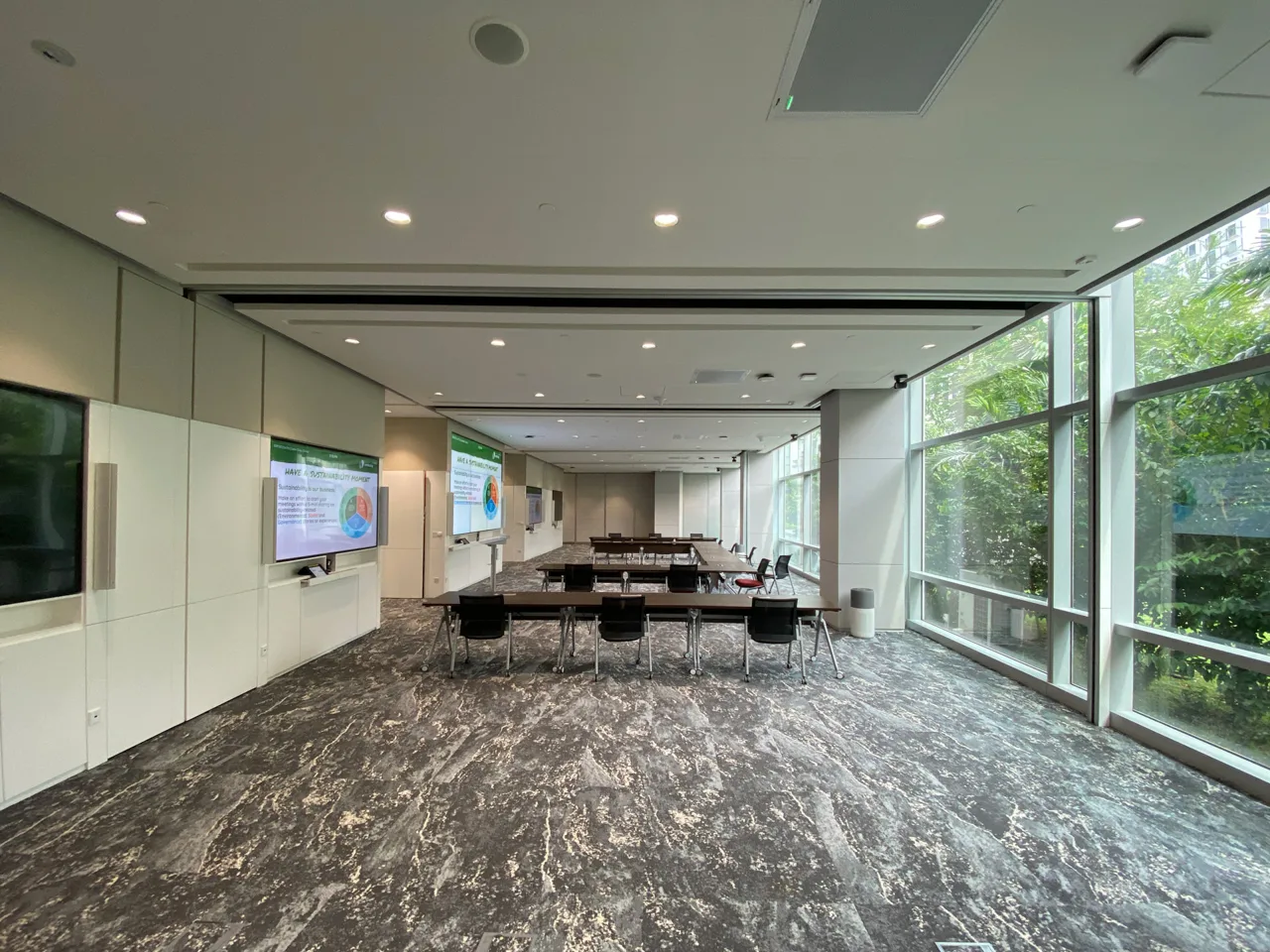
In open offices, speech is the dominant source of noise disturbance. Research consistently shows that intelligible background speech has a disproportionate impact on concentration and task performance compared to non-speech noise.² Without adequate absorption, sound reflections accumulate across large floor plates, amplifying distraction and reducing overall workplace effectiveness. Acoustic panels help mitigate this by absorbing mid- to high-frequency sound energy where speech intelligibility is greatest.
Reverberation Control and Spatial Perception
Reverberation time plays a key role in perceived acoustic comfort. Excessive reverberation increases noise build-up and creates a sense of acoustic chaos, even when sound levels are moderate. In open-plan offices, controlling reverberation through ceiling and wall-mounted acoustic panels is essential for maintaining a balanced sound environment that supports both collaborative and focused work zones.³
Zoning and Acoustic Differentiation
Modern office layouts increasingly rely on acoustic zoning rather than physical partitions. Sustainable acoustic panels enable this strategy by selectively treating areas with different functional needs—such as meeting zones, circulation paths, and quiet work areas—without compromising visual openness. This approach supports flexibility while maintaining acoustic hierarchy within the workspace.¹
Sustainable Innovations in Acoustic Panel Design
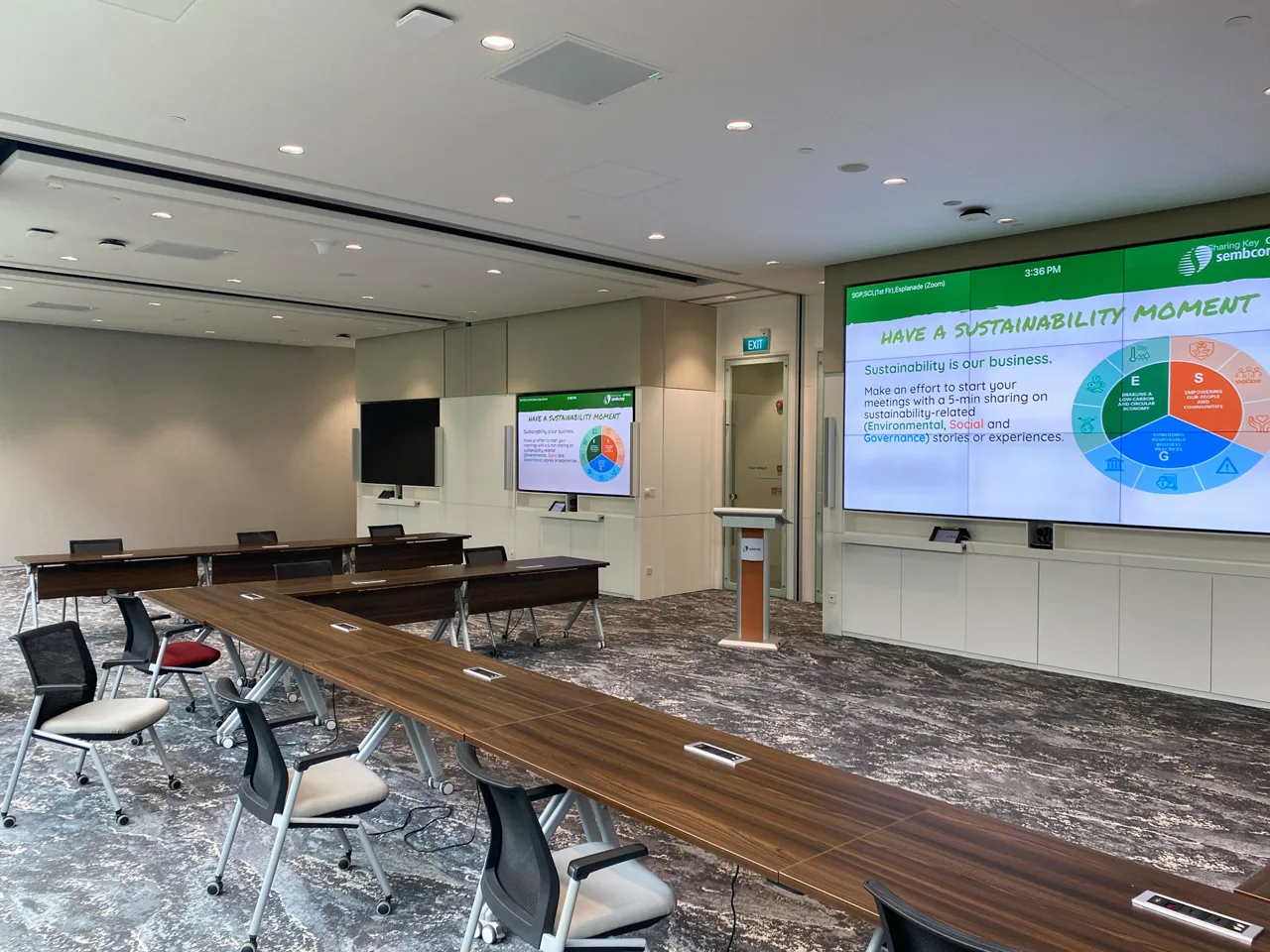
Advances in material science have expanded the range of sustainable acoustic panels suitable for open-plan offices. Panels manufactured from recycled polyester, wood-based fibres, or mineral composites can achieve high sound absorption while reducing environmental impact. Life-cycle thinking has shifted product development toward lower embodied carbon, reduced waste, and improved end-of-life options, making acoustic treatments active contributors to sustainable interior strategies rather than passive add-ons.⁴
Material Performance and Environmental Responsibility
Low-VOC and Indoor Environmental Quality
Acoustic panels influence indoor air quality through material emissions, particularly in densely occupied offices. Low-VOC panels reduce the release of volatile organic compounds, supporting healthier work environments and aligning with indoor environmental quality benchmarks. Standards and guidelines increasingly encourage the use of low-emission materials to protect occupant health and support long-term wellbeing.⁵
Recycled Content and Circular Material Strategies
Many contemporary acoustic panels incorporate post-consumer or post-industrial recycled content, diverting waste from landfill and reducing reliance on virgin resources. Recycled PET panels, for example, combine effective sound absorption with circular economy principles. These material strategies allow organisations to address acoustic performance while contributing to broader sustainability objectives within workplace fit-outs.⁴
Integration with Green Building Frameworks
Alignment with LEED and Workplace Sustainability Goals
Green building frameworks recognise the role of interior materials in both environmental impact and occupant comfort. Acoustic panels with documented recycled content, low-emission profiles, or environmental disclosures can support credits related to materials, resources, and indoor environmental quality.⁶ For open-plan offices, this alignment ensures that acoustic comfort enhancements also contribute to certification goals rather than competing with them.
Supporting Employee Wellbeing and Productivity
Beyond compliance, sustainable acoustic solutions directly support organisational wellbeing strategies. Reduced noise distraction, improved speech privacy, and healthier indoor air quality are linked to lower stress levels and higher job satisfaction.² By integrating sustainable acoustic panels early in workplace design, organisations can create environments that support both human performance and environmental responsibility.
Designing Productive and Responsible Work Environments
Acoustic solutions for open-plan workspaces have evolved from basic sound control measures into integrated design strategies that influence productivity, wellbeing, and sustainability. Sustainable acoustic panels demonstrate how material innovation can address complex performance requirements—absorbing disruptive noise while supporting environmental goals and healthier interiors. As open-plan offices continue to dominate workplace design, the importance of acoustics will only increase. By prioritising sustainable panel innovations, designers and organisations can move beyond reactive noise mitigation toward proactive, evidence-based environments that balance collaboration with focus. In doing so, acoustic design becomes not just a technical necessity, but a strategic investment in people and the planet.
References
- ODEON. (2025). Open-plan office acoustics. ODEON Learn.
https://odeon.dk/learn/articles/open-plan-office-acoustics/ - Jahncke, H., Hygge, S., Halin, N., Green, A. M., & Dimberg, K. (2011). Open-plan office noise: Cognitive performance and restoration. Journal of Environmental Psychology, 31(4), 373–382.
https://www.ncbi.nlm.nih.gov/pmc/articles/PMC5452225/ - Kuttruff, H. (2009). Room acoustics (5th ed.). Springer.
https://link.springer.com/book/10.1007/978-3-540-48830-9 - Ellen MacArthur Foundation. (2019). Circular economy principles for the built environment. Ellen MacArthur Foundation.
https://ellenmacarthurfoundation.org/topics/circular-economy-introduction/overview - U.S. Environmental Protection Agency. (2023). Indoor air quality (IAQ). U.S. Environmental Protection Agency.
https://www.epa.gov/indoor-air-quality-iaq - U.S. Green Building Council. (2023). LEED v4.1 overview. U.S. Green Building Council.
https://www.usgbc.org/leed/v41
Share