Sustainable Wall Systems: From Recycled Content to LEED Credits
Redefining Wall Systems in a Low-Carbon Built Environment
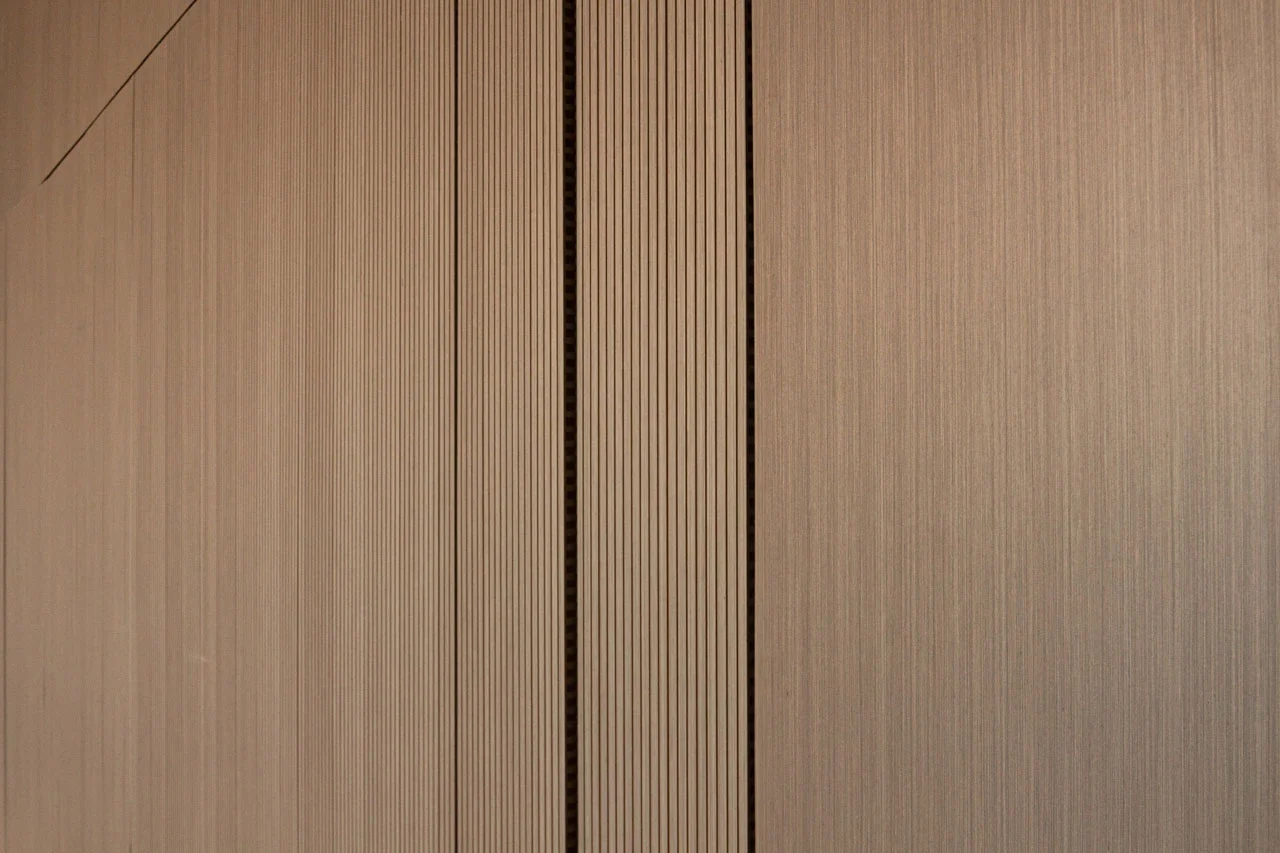
Wall systems are no longer evaluated solely on structural integrity or visual impact. In contemporary construction, they play a critical role in determining a building’s environmental footprint, indoor environmental quality, and certification potential. As sustainability frameworks mature, architects and specifiers are increasingly required to demonstrate how wall assemblies contribute to resource efficiency, emissions reduction, and occupant wellbeing. Sustainable wall systems—particularly those incorporating recycled content and transparent environmental documentation—have become central to achieving green building outcomes and LEED credits.¹

Material Strategies for Sustainable Wall Systems
Recycled Content and Resource Efficiency
Recycled content is one of the most direct ways wall systems can reduce environmental impact. By incorporating post-consumer or post-industrial materials—such as recycled gypsum, mineral fibres, aluminium, or PET—manufacturers reduce reliance on virgin resources and divert waste from landfill. These strategies lower embodied energy and greenhouse gas emissions while supporting circular economy principles increasingly prioritised in construction.²
Designing for Durability and Longevity
Sustainability in wall systems extends beyond material origin to long-term performance. Durable assemblies reduce the frequency of replacement and refurbishment, lowering life-cycle environmental impact. Wall systems designed for resilience—through impact resistance, moisture control, and maintainability—deliver sustainability benefits over decades rather than through short-term material metrics alone.³
Indoor Environmental Quality Considerations
Sustainable wall systems must also support healthy interiors. Materials and finishes used in wall assemblies influence indoor air quality through chemical emissions, particularly in airtight buildings. Low-emitting materials and finishes help reduce occupant exposure to harmful compounds and are increasingly aligned with both regulatory guidance and green building frameworks.⁴
Life-Cycle Thinking in Wall System Design
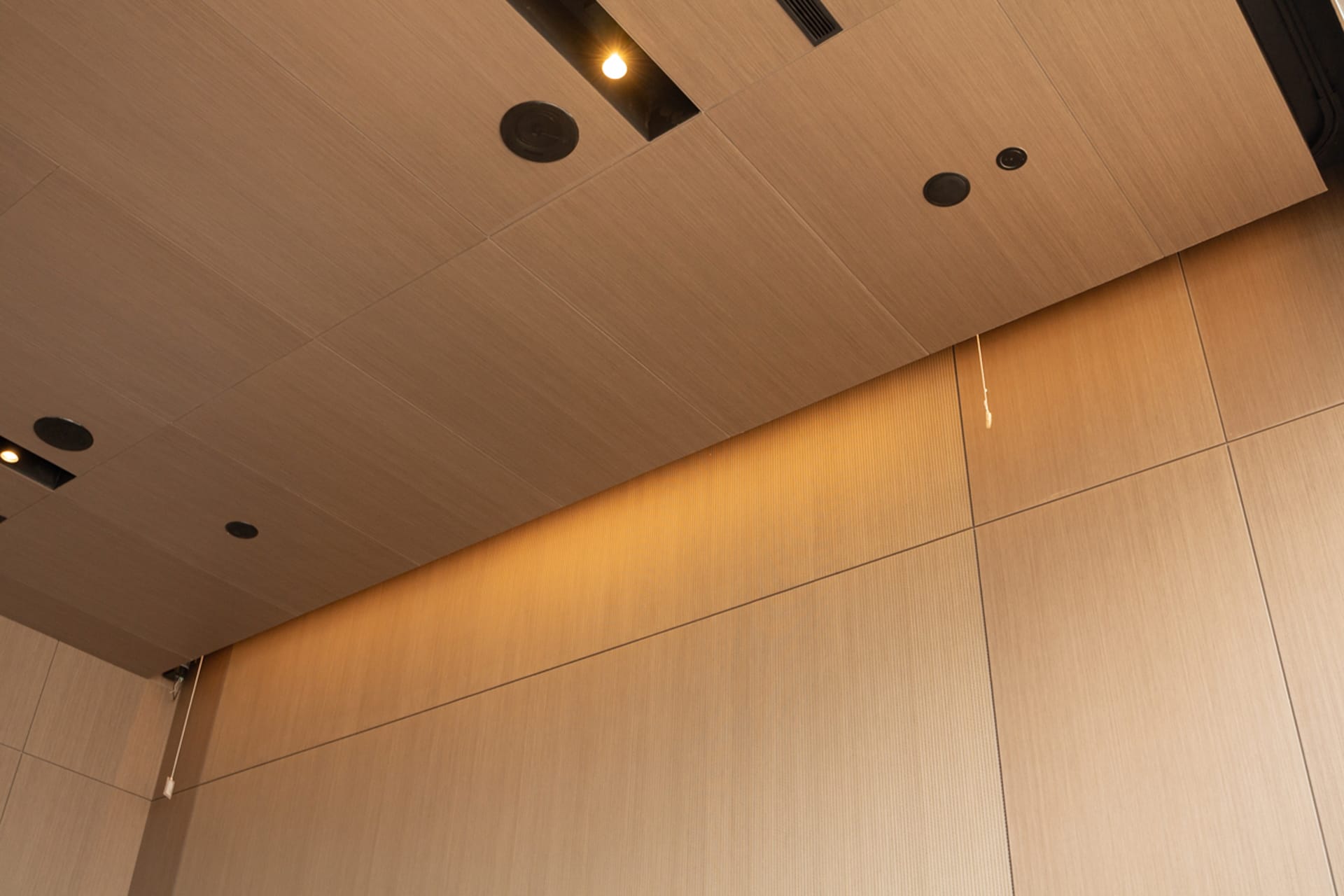
A life-cycle approach provides a more comprehensive assessment of sustainability than isolated material attributes. Evaluating wall systems across extraction, manufacturing, transport, installation, use, and end-of-life phases enables designers to understand trade-offs between material choices, durability, and environmental impact. Life-cycle thinking underpins many contemporary sustainability tools and informs more responsible specification decisions.
Certification Pathways and Documentation
Environmental Product Declarations and Transparency
Environmental Product Declarations (EPDs) provide standardised, third-party-verified environmental data based on life-cycle assessment. For wall systems, EPDs allow architects to compare global warming potential, energy use, and resource consumption across comparable products. While EPDs do not define sustainability thresholds, they enable evidence-based decision-making and support transparency within project teams.
Recycled Content and LEED Material Credits
LEED v4.1 recognises recycled content and environmental disclosure as part of its Materials and Resources credits. Wall systems with documented recycled content and verified EPDs can contribute to credit achievement when specified across multiple product categories. This approach encourages broader market transformation rather than reliance on single “green” products.⁵
Aligning Wall Systems with LEED Objectives
Material Selection and Credit Synergies
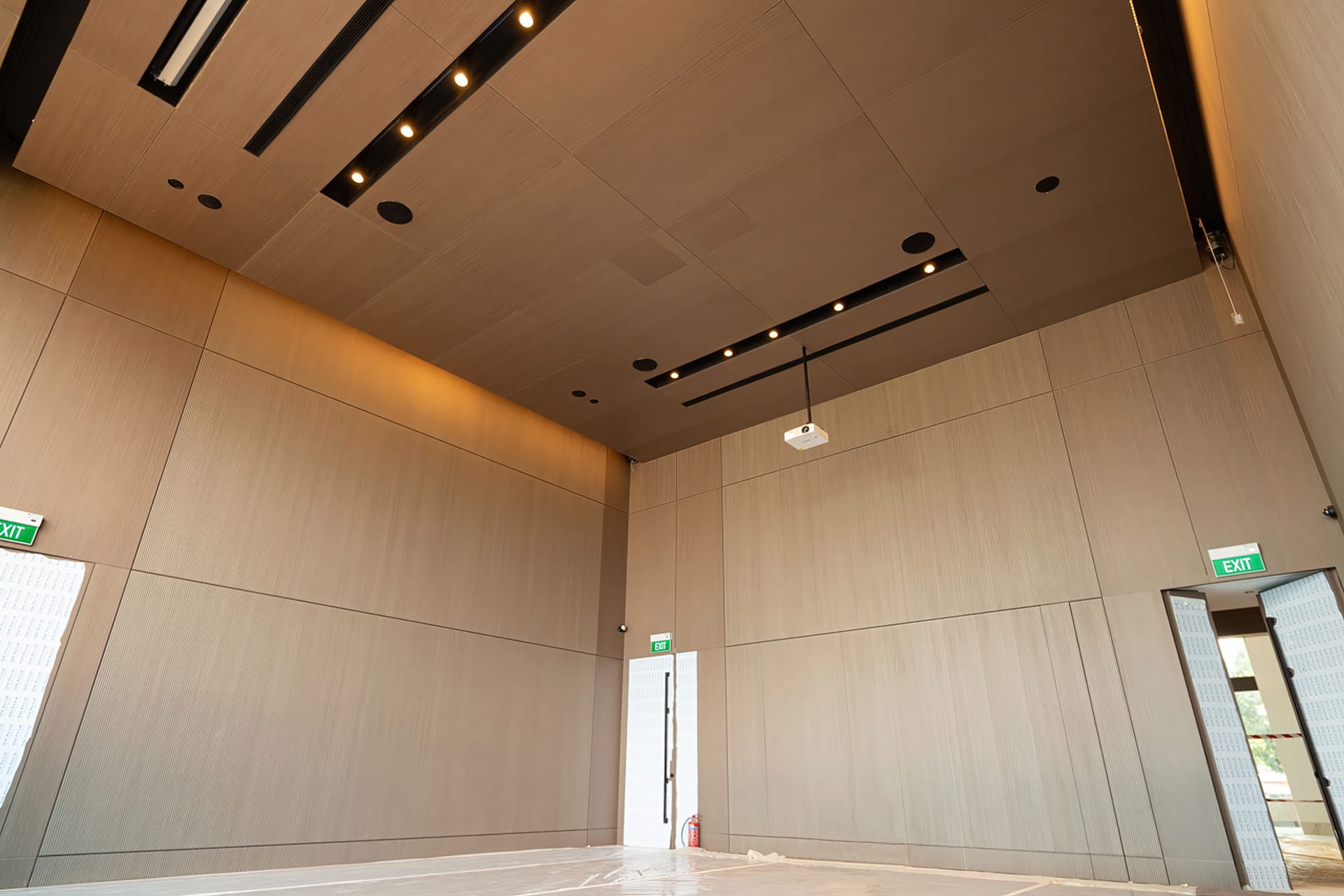
Sustainable wall systems often contribute to multiple LEED objectives simultaneously. A single wall assembly may support recycled content goals, low-emission requirements, and environmental disclosure credits when properly documented. Understanding these synergies allows design teams to optimise certification strategies without compromising performance or aesthetics.
Beyond Certification: Performance-Driven Sustainability
While LEED provides a useful framework, sustainable wall systems should ultimately be evaluated on real-world performance. Energy efficiency, durability, adaptability, and occupant comfort remain essential outcomes. Certification serves as a benchmark, but long-term environmental value depends on how wall systems perform throughout the building’s operational life.
Integrating Sustainability from Material to Certification
Sustainable wall systems represent a convergence of material innovation, life-cycle thinking, and certification-driven accountability. By moving beyond isolated material claims and embracing recycled content, environmental transparency, and durability, wall assemblies can meaningfully reduce environmental impact while supporting healthier interiors. LEED and similar frameworks provide structure and comparability, but the true value of sustainable wall systems lies in their long-term performance and adaptability. As regulatory and market expectations continue to evolve, wall systems that integrate recycled content, verified environmental data, and occupant-focused design will remain essential components of responsible, future-ready buildings.
References
- U.S. Green Building Council. (n.d.). Building product disclosure and optimization – environmental product declarations credit overview. U.S. Green Building Council. https://www.usgbc.org/credits/new-construction-core-and-shell-schools-new-construction-retail-new-construction-data-15
- Ellen MacArthur Foundation. (2019). Circular economy principles for the built environment. Ellen MacArthur Foundation.
https://ellenmacarthurfoundation.org/topics/circular-economy-introduction/overview - World Green Building Council. (2019). Embodied carbon in buildings. World Green Building Council.
https://www.worldgbc.org/embodied-carbon/ - U.S. Environmental Protection Agency. (2023). Indoor air quality (IAQ). U.S. Environmental Protection Agency.
https://www.epa.gov/indoor-air-quality-iaq - U.S. Green Building Council. (2023). LEED v4.1 building design and construction. U.S. Green Building Council.
https://www.usgbc.org/leed/v41
Share