Declare Red List Free Materials in Large-Scale Interiors
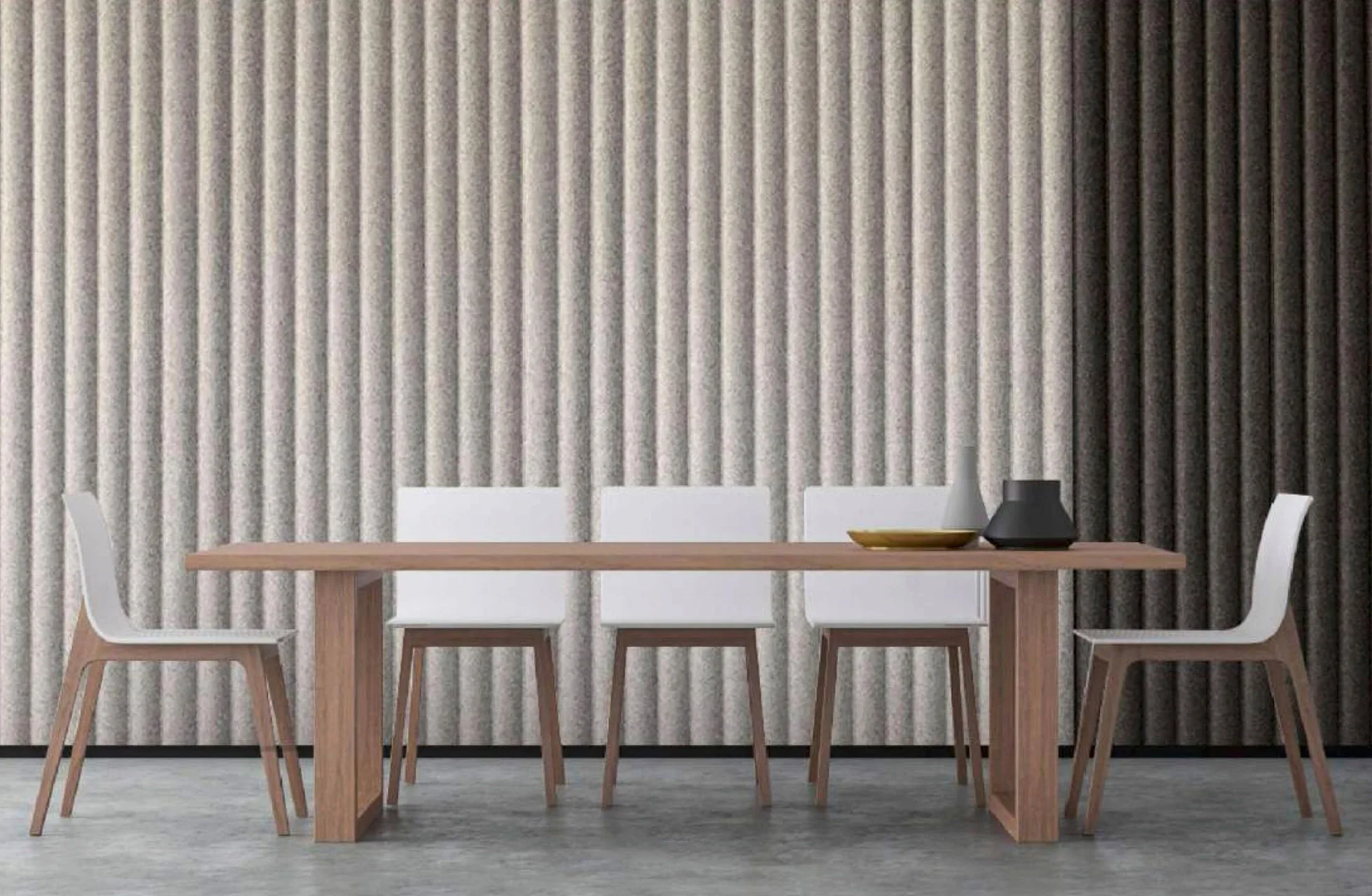
Material Health as a Priority in Scalable Interior Design
As large-scale interior environments such as offices, education facilities, transport hubs, and commercial developments expand in size and complexity, material health has become a critical design consideration. Beyond aesthetics and durability, interior materials are increasingly evaluated for their impact on occupant wellbeing and environmental safety. Declare Red List Free materials have emerged as a practical framework for identifying products that avoid chemicals known to pose risks to human health and ecosystems, supporting healthier interiors at scale.¹
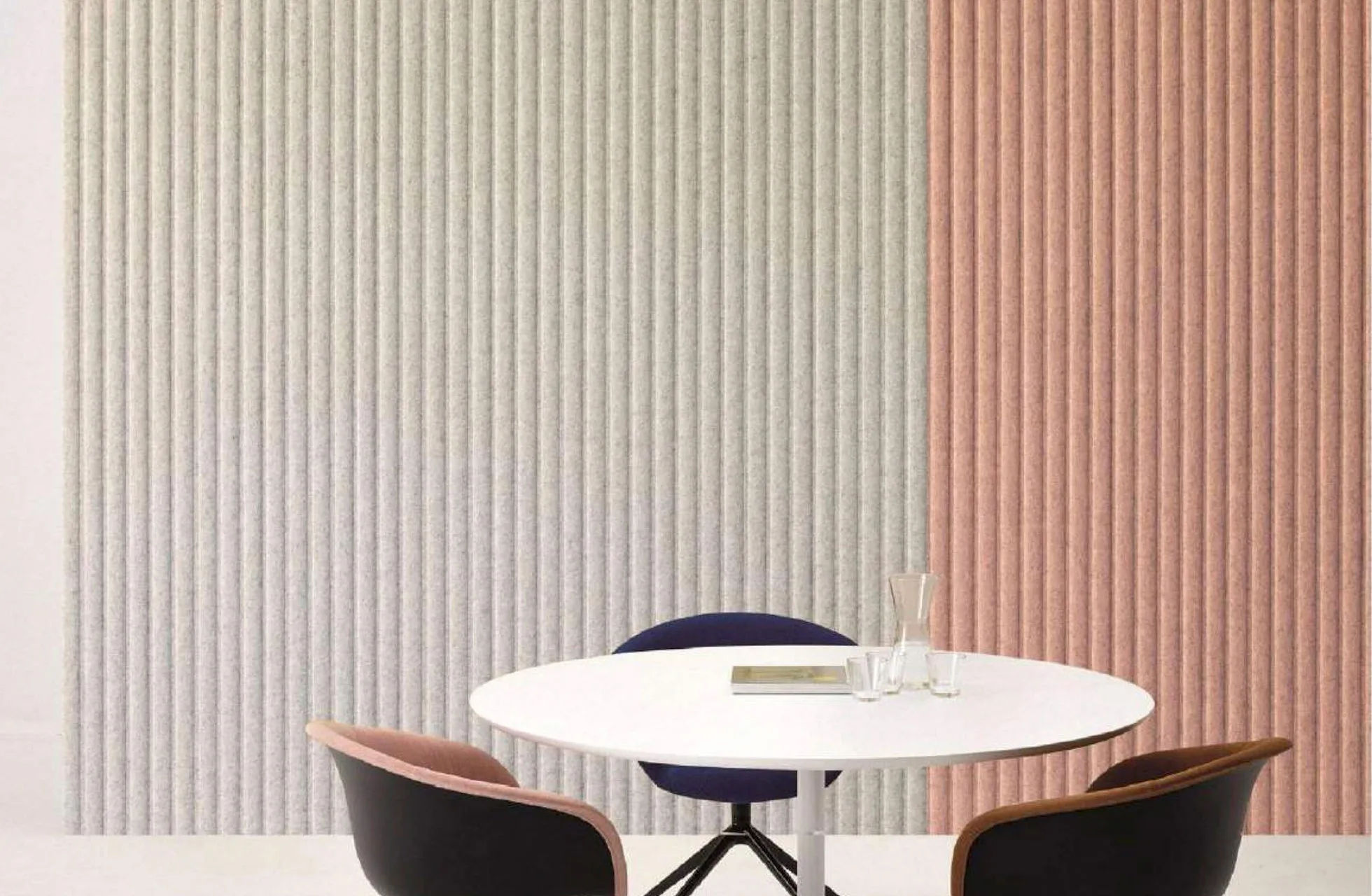
Understanding the Declare Program and Red List
The Purpose of the Declare Label
The Declare program, developed by the International Living Future Institute (ILFI), functions as a nutrition label for building products. It provides transparent disclosure of product ingredients and identifies whether materials contain chemicals included on the Red List—a compilation of substances commonly found in the built environment that are associated with health and environmental harm. Declare labels enable designers to make informed decisions based on verified material composition rather than assumptions or partial disclosures.¹
What Red List Free Certification Means
A product designated as Red List Free contains none of the chemicals prohibited by the Living Building Challenge Red List. These substances include certain flame retardants, phthalates, formaldehyde, and heavy metals. For large-scale interiors, where material quantities are significant, Red List Free specification reduces cumulative chemical exposure and supports healthier indoor environments over the building’s lifespan.²
Third-Party Verification and Transparency
Declare labels are independently reviewed by ILFI, ensuring that ingredient disclosures meet consistent standards of accuracy and completeness. This third-party verification distinguishes Declare from self-reported material claims, making it particularly valuable in large projects where due diligence and accountability are essential. Transparency at this level supports confidence among architects, clients, and regulators alike.¹
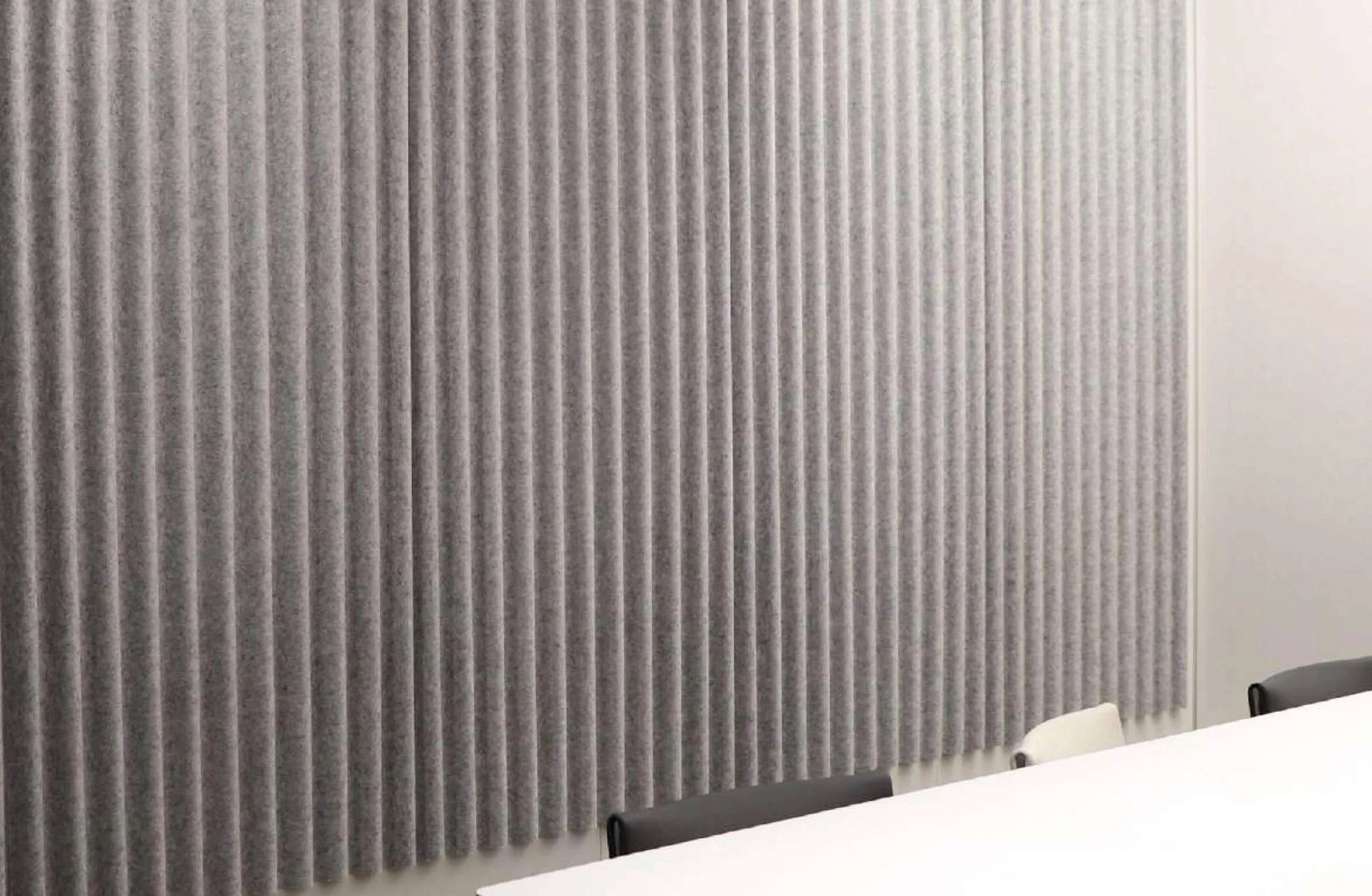
The Role of Red List Free Materials in Interior Performance
In large-scale interiors, material health must coexist with performance requirements such as acoustics, fire safety, durability, and maintenance efficiency. Red List Free materials are increasingly available across a wide range of interior applications—including acoustic panels, wall finishes, ceilings, and flooring—demonstrating that chemical transparency does not require sacrificing technical performance. Advances in material science have enabled manufacturers to reformulate products using safer alternatives while maintaining compliance with stringent building standards.³
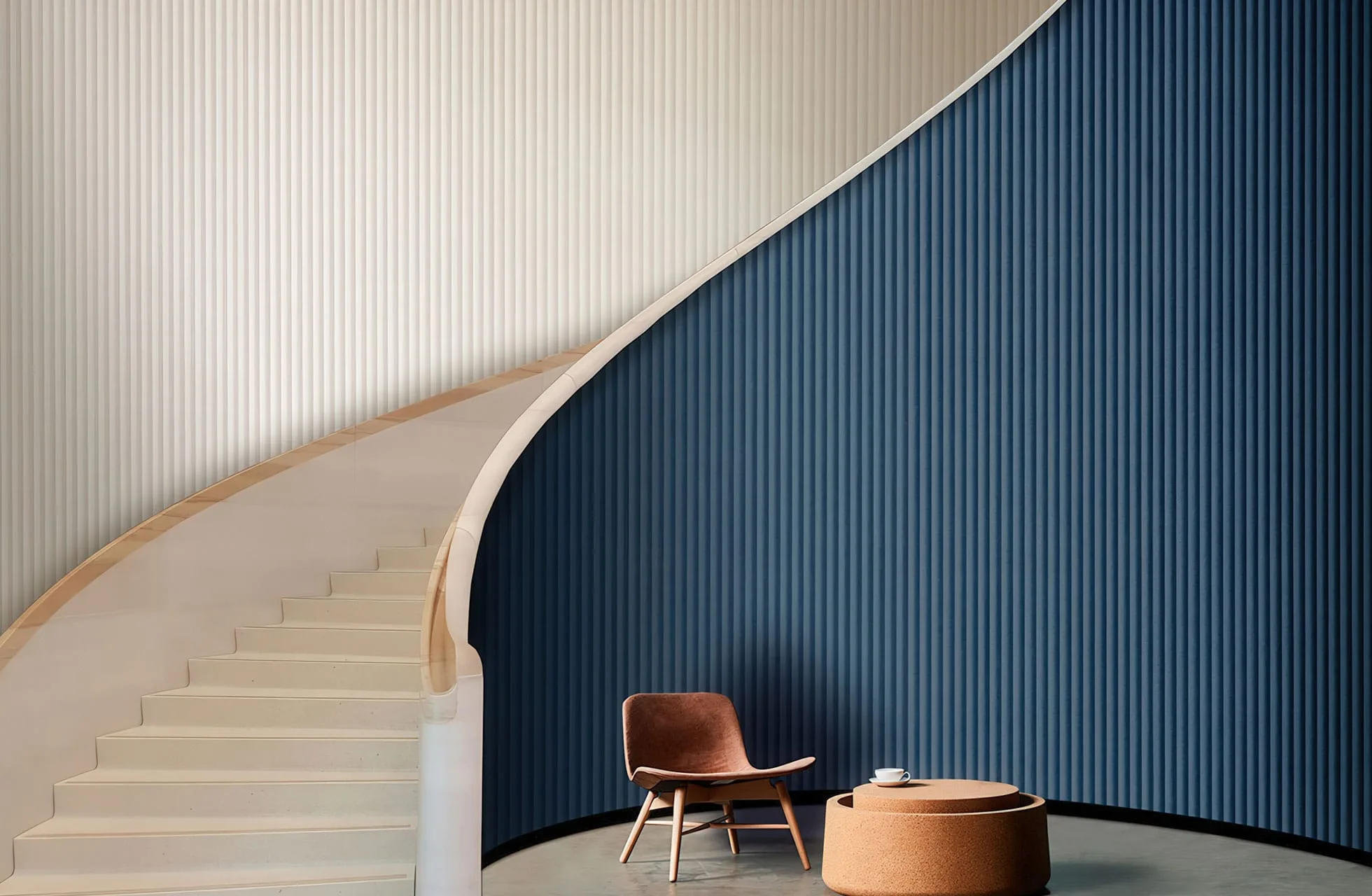
Scaling Material Health Across Large Interiors
Acoustic Panels and Interior Surface Systems
Acoustic panels are a critical component of large interiors, particularly in open-plan and high-occupancy environments. Red List Free acoustic materials contribute to improved indoor environmental quality by reducing both noise levels and chemical emissions. When deployed across extensive wall and ceiling areas, these materials support consistent acoustic comfort while aligning with health-focused design strategies.⁴
Operational Efficiency and Long-Term Exposure Reduction
Large interiors often operate continuously, increasing the importance of long-term material emissions. Red List Free products reduce the risk of off-gassing harmful substances over time, contributing to healthier indoor air quality for occupants. This is especially relevant in workplaces and educational environments, where prolonged exposure can influence cognitive performance and overall wellbeing.²
Alignment with Certification and Health Frameworks
Integration with WELL and Living Building Challenge
Declare Red List Free materials play a central role in health-oriented certification frameworks. The Living Building Challenge requires Red List compliance for interior materials, while the WELL Building Standard recognises material transparency and reduced chemical exposure as contributors to occupant health. In large-scale interiors, these frameworks provide measurable benchmarks for integrating Red List Free strategies into design and procurement processes.⁵
Supporting LEED and Broader Sustainability Goals
While LEED does not mandate Red List compliance, it rewards material transparency and low-emission products. Declare labels support LEED credits related to material disclosure and indoor environmental quality, making Red List Free materials a complementary strategy within broader sustainability frameworks. This alignment allows large projects to address both environmental and health objectives through coordinated material selection.⁶
Designing Healthier Interiors Through Informed Specification
The specification of Declare Red List Free materials represents a significant shift toward evidence-based material selection in large-scale interiors. By prioritising chemical transparency and eliminating substances known to harm human and environmental health, designers can reduce cumulative exposure risks while maintaining performance and durability. As large interiors continue to shape how people work, learn, and interact, Red List Free strategies provide a practical pathway for embedding health into the fabric of interior environments. Through informed specification, third-party verification, and alignment with established certification frameworks, Declare materials enable large projects to scale healthier design principles without compromising functionality or architectural ambition.
References
- International Living Future Institute. (n.d.). Declare: Ingredients transparency platform. https://declare.living-future.org
- International Living Future Institute. (2023). The Living Building Challenge Red List. https://living-future.org/lbc/red-list/
- International WELL Building Institute. (2023). WELL Building Standard v2. https://standard.wellcertified.com
- World Health Organization. (2018). WHO guidelines for indoor air quality: Selected pollutants. https://www.who.int/publications/i/item/9789289002134
- U.S. Green Building Council. (2023). LEED v4.1 building design and construction. https://www.usgbc.org/leed/v41
Share