
Embracing Environmental and Acoustic Standards Early in Design
Creating interior spaces that support both human comfort and environmental responsibility requires decisions that start early. Acoustic panels are no longer just functional—they’re increasingly central to green building goals, especially when Environmental Product Declarations (EPDs) come into play. EPD-certified panels help architects and designers meet sustainability benchmarks without sacrificing acoustic performance or design intent.
In environments like healthcare, education, or transit hubs, specifying low-emission, high-performance materials ensures both safety and wellness. Acoustic systems that combine verified sound absorption with life cycle transparency now allow specifiers to meet Class B-s1-d0 fire ratings, LEED requirements, and local green mark certifications—all without compromise.
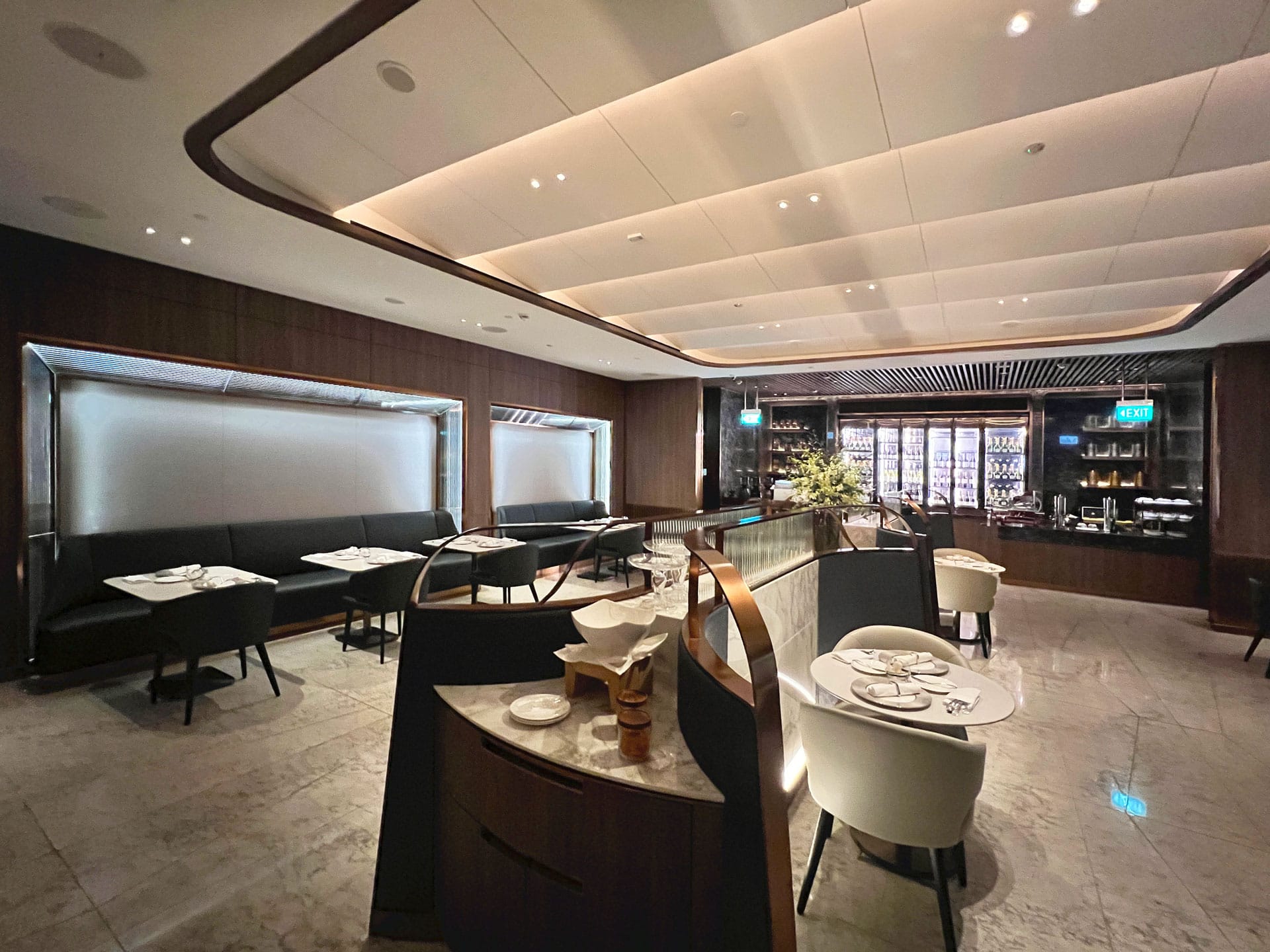
Verified Acoustic Credentials at the Conceptual Stage
Predictive Acoustic and Environmental Modelling
EPD-certified acoustic panels can now be modelled virtually during early-stage design. AI-powered tools simulate real-world conditions such as reverberation control, fire safety, and environmental impact—flagging potential risks before build. This lets designers select materials that are acoustically effective and environmentally compliant, reducing approval delays and non-compliance issues across jurisdictions.
Data-Driven Documentation and Transparency
EPDs, Red List transparency reports, and third-party test results can now be cross-linked within BIM workflows, enabling faster documentation. Verified acoustic systems with pre-tested NRC values, low-VOC certification, and Class B-s1-d0 ratings simplify compliance submissions. These integrations reduce time spent compiling documents and increase certainty during tender and construction.

Acoustic Systems That Meet Circularity and Wellness Goals
Material Pre-Screening for Low-Impact Interiors
EPD-certified acoustic panels are often manufactured using recycled PET or renewable fibres, enabling designers to meet embodied carbon and VOC reduction targets. AI tools that screen ingredients against green material databases help project teams rule out non-compliant materials early—streamlining selections aligned with Red List Free, low-VOC, or cradle-to-cradle frameworks.
Lifecycle Simulation and EPD Alignment
BIM-compatible simulations now allow architects to project the full life cycle impacts of acoustic systems—from production through installation to post-use disposal. This supports accurate EPD generation or updates, ensuring panels remain aligned with LEED v4.1 and WELL v2 standards. With these tools, teams can balance acoustics, emissions, and sustainability more effectively.

Quiet Spaces and Safer Interiors
Digital Testing of Sound and Fire Criteria
Panels with both NRC ratings and EN 13501-1 classification can be pre-tested and simulated in virtual environments, eliminating the need for repeated mockups. Tools now model reverberation time, flame spread, and smoke development digitally—helping teams select panels that meet acoustic comfort and fire safety in tandem. Especially in schools, clinics, or corporate environments, this dual compliance is essential.
Environmentally Intelligent Specification
AI tools assess panel options based on recycled content, VOC emissions, and material origin. EPD-certified acoustic panels now provide the data necessary to meet frameworks like SGBP and LEED without sacrificing acoustic performance. With integrated BIM workflows, specifiers can coordinate acoustic layouts while reducing rework and ensuring long-term compliance.
Acoustic Panels in Green Certification Schemes
Supporting Indoor Air Quality and Human Health
Products carrying GREENGUARD Gold or Declare labels not only improve acoustic comfort but also enhance indoor air quality by limiting chemical off-gassing. These certifications are essential for earning LEED and WELL credits focused on occupant well-being. With AI support, teams can now screen panel selections for VOCs and emission thresholds before finalising specs.
BIM-Integrated Acoustic Modelling
The integration of acoustic simulation, EPD data, and BIM modelling allows seamless transitions from design to compliance submission. Specifiers can visualise NRC performance across floorplans while linking panels to digital test archives. This transparency strengthens handover documentation, shortens review cycles, and ensures panels meet both auditory and environmental expectations.
Where Sound Control Meets Sustainable Intent
As design and sustainability goals converge, EPD-certified acoustic panels offer a tangible path forward. AI-enabled workflows make it possible to simulate, verify, and document both acoustic performance and environmental compliance early in the design stage—before any material is installed.
Now, acoustic systems don’t need to trade performance for sustainability. With the right certification and digital tools, designers can specify panels that support quieter, greener, and more conscious interiors—without compromise.
References
- International EPD System. (2024). What is an EPD?
- UL Solutions. (2023). GREENGUARD Certification Program.
- International Living Future Institute. (2024). Declare – A Transparency Platform.
- U.S. Green Building Council. (2023). LEED v4.1 Building Design and Construction Guide.
- Building and Construction Authority (BCA). (2024). Green Mark 2024 Criteria.
Share