Dynamic Building Envelopes with AI-Optimised Acoustic Behaviour

Designing Smarter Building Envelopes with AI Acoustic Optimisation
As architecture becomes more responsive and performance-driven, the role of the building envelope is evolving. No longer passive barriers, façades and cladding systems are now dynamic components that regulate light, temperature—and increasingly—sound. With the integration of Artificial Intelligence (AI), design teams can model and optimise the acoustic behaviour of building envelopes in real time. This synergy between digital intelligence and envelope design is shaping the next generation of acoustically responsible, sustainable buildings.
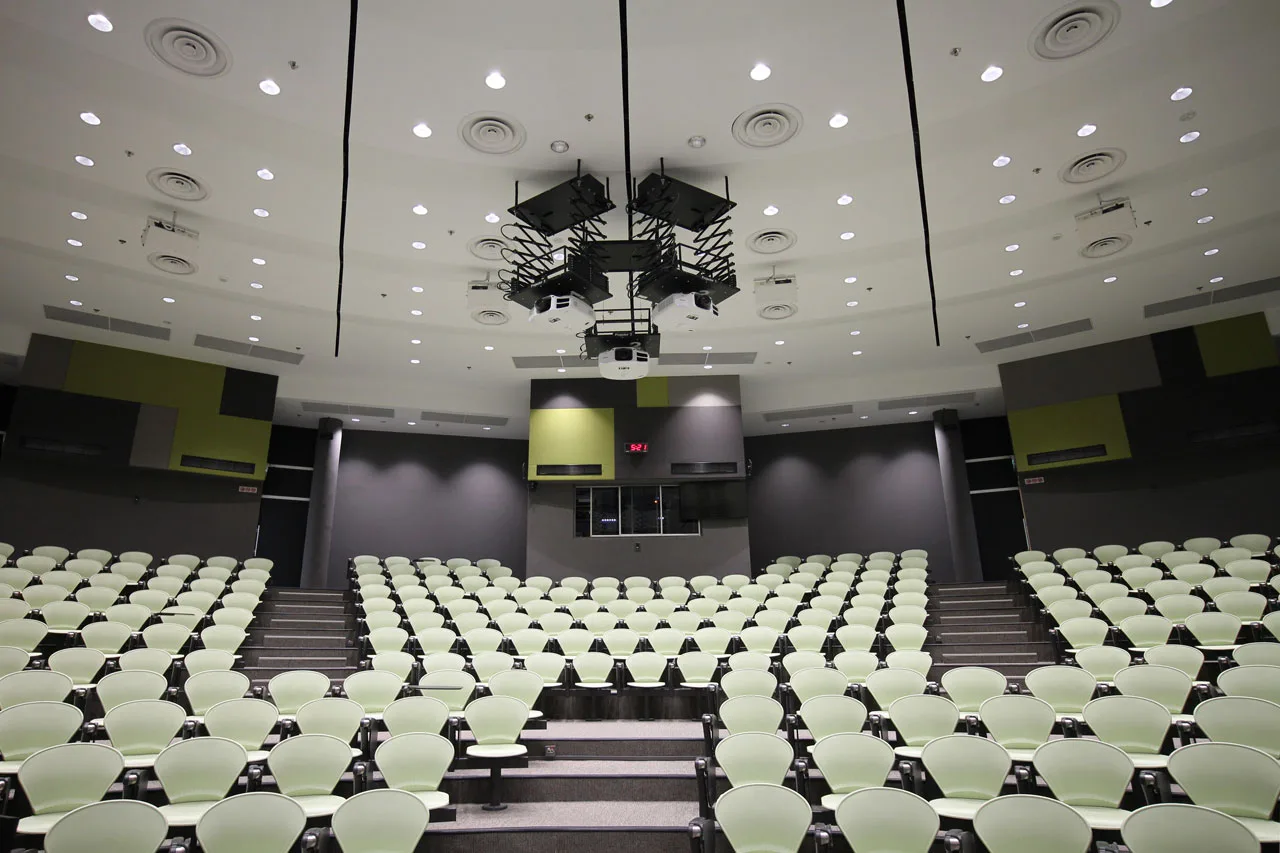
Redefining Building Envelopes Through Predictive Acoustics
Acoustic Functions Beyond the Interior
Traditionally, acoustic design was focused on internal partitions and ceilings. Today, exterior cladding systems—particularly in high-density or transit-adjacent sites—are expected to mitigate environmental noise while preserving spatial comfort. Façades with layered materials, perforated panels, or variable densities can now be engineered to reflect, absorb, or scatter sound before it reaches the interior.
The Role of Envelope Geometry in Acoustic Control
Form is function. Parametric tools allow façade designers to experiment with surface angles, patterning, and material composition—all of which influence how sound interacts with the envelope. With AI-enhanced simulation engines, these design explorations are now evaluated instantly for sound deflection, reverberation control, and spatial soundscaping—supporting envelope strategies that balance aesthetics with acoustic logic.
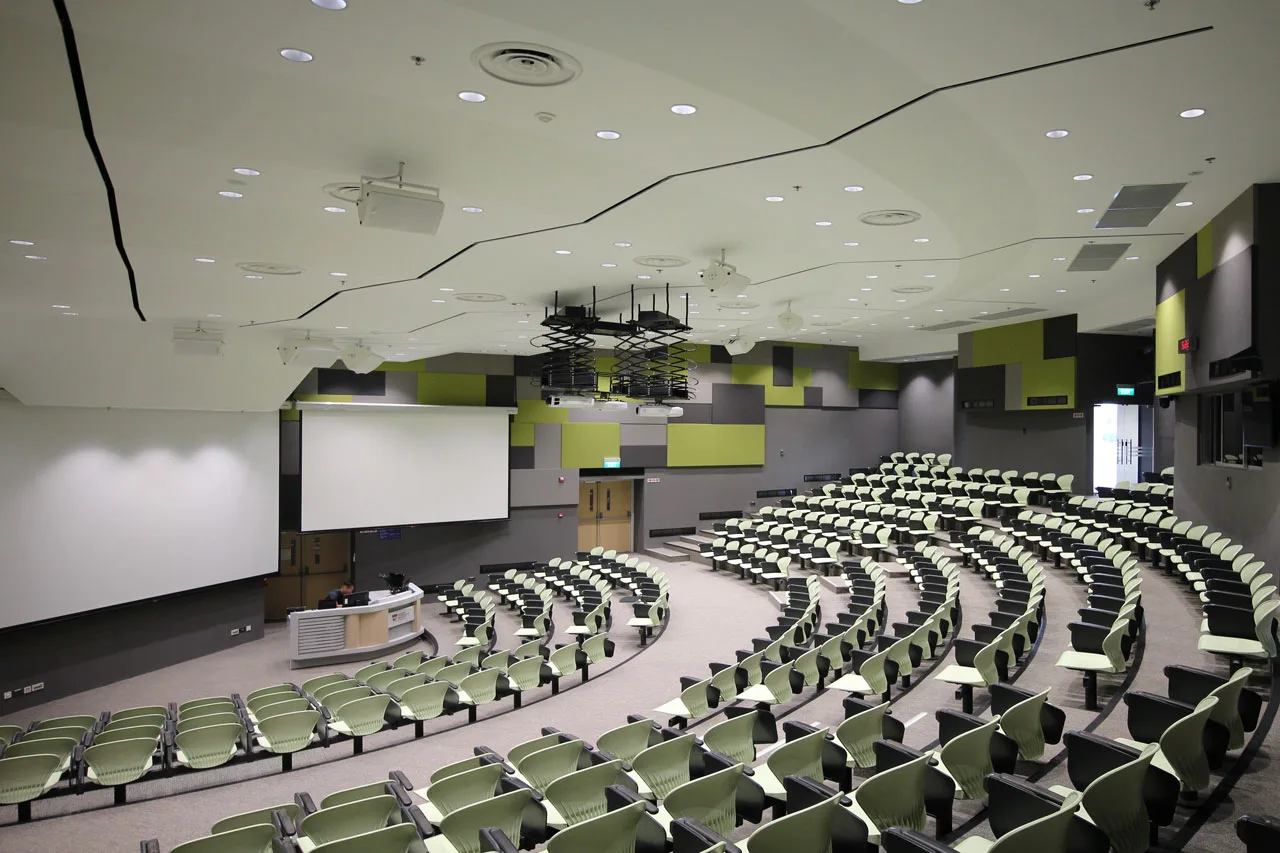
AI Tools That Drive Acoustic Envelope Innovation
Real-Time Sound Mapping and Scenario Testing
AI-powered acoustic analysis tools can simulate the flow of sound waves across a façade’s surface under varying conditions—traffic density, time of day, or public activity. These dynamic models enable architects to test envelope configurations against real-world use scenarios and optimise for minimal transmission or maximum diffusion based on the site context.
Smart Integration with BIM and Environmental Databases
When paired with BIM software, AI systems use real-time data—climate, materials, occupancy—to adjust envelope designs for acoustic and environmental response. For example, an AI model can suggest a change in perforation density or material layering to maintain NRC targets during seasonal shifts, reducing the need for costly retrofitting or over-specification.
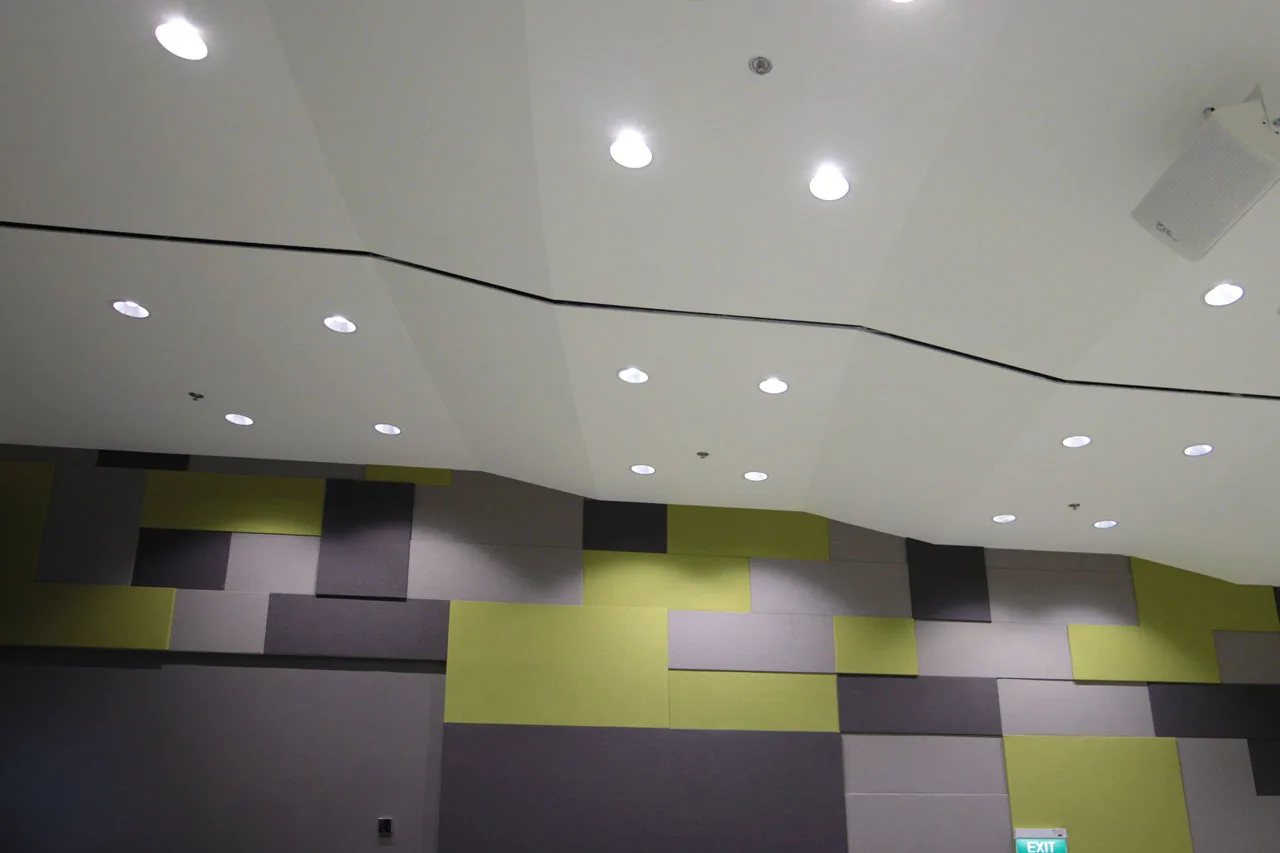
Materials and Systems That Respond to Sound
Adaptive Skins and Responsive Surfaces
Some envelope systems now incorporate smart materials—panels that shift shape or open/close depending on sound intensity or occupancy levels. These adaptive skins absorb or deflect noise more effectively than static systems. Combined with AI sensors, they can react to spikes in environmental noise or internal activity, preserving acoustic quality without additional mechanical intervention.
Multi-Functionality Through Composite Assemblies
AI helps designers create envelope assemblies that are not only acoustically effective but also thermally efficient, fire-rated, and low-VOC. For example, a cladding system made of perforated aluminium over an acoustic PET backing can offer thermal control, fire safety (Class B-s1-d0), and Red List Free status. AI tools assist in layering and selecting materials that meet multiple performance criteria simultaneously.
Certification Impacts of AI-Optimised Envelopes
LEED and WELL Contributions from Building Envelopes
LEED v4.1 and WELL v2 both recognise acoustic comfort and environmental performance in their certification systems. Building envelopes optimised through AI to reduce noise transmission, use low-emission materials, and improve thermal comfort can contribute to points under Acoustic Performance, Low-Emitting Materials, and Thermal Comfort categories.
Documentation Through Digital Twins and Real-Time Reporting
AI-generated models serve as digital twins—real-time virtual versions of the envelope that can be shared during certification reviews. These twins include material data, acoustic metrics, and compliance pathways. By embedding performance data into these models, teams reduce reporting time and improve approval success rates for LEED, WELL, and local standards like SGBP.
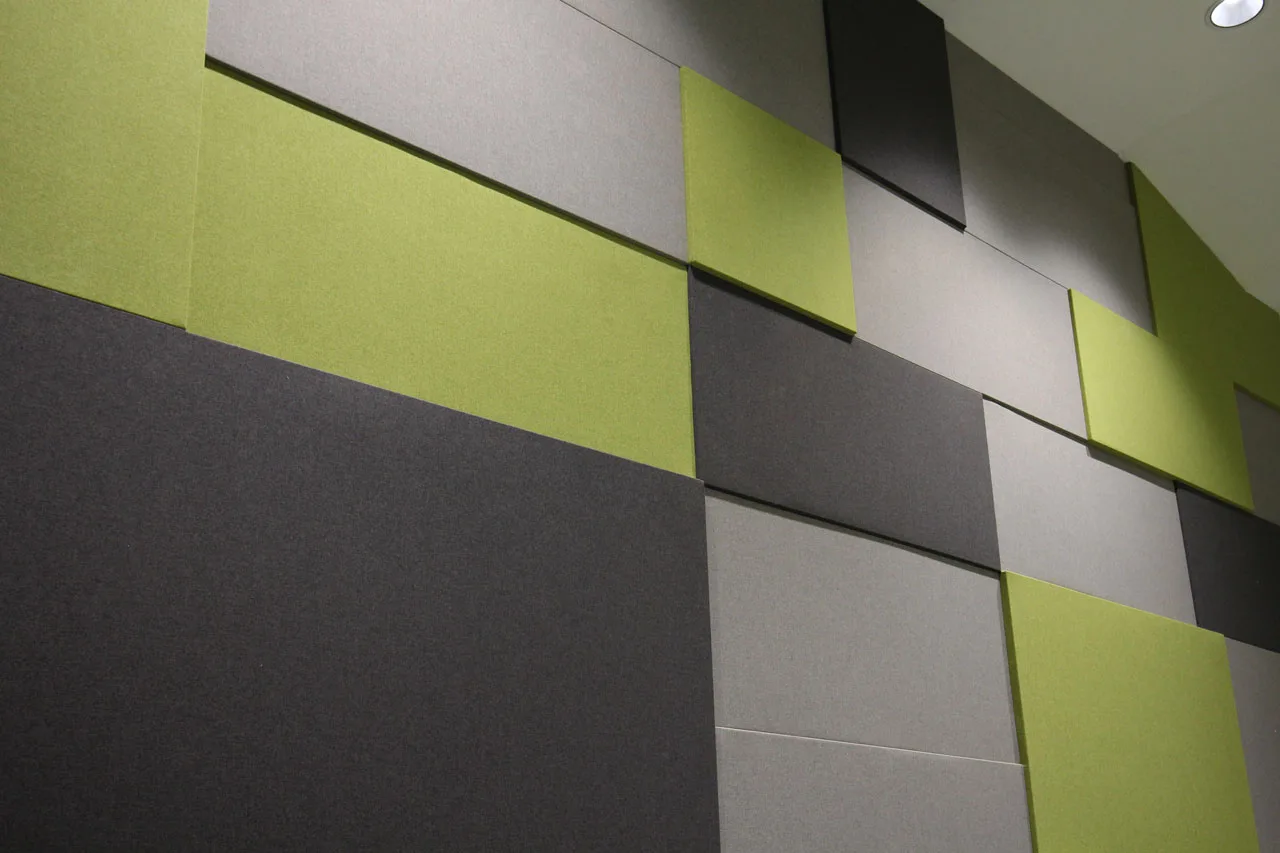
Toward Smarter, Quieter, More Responsive Envelopes
AI has introduced a new frontier in acoustic design—one where building envelopes are no longer fixed shells, but responsive systems that adapt to sound and environment. Through simulation, modelling, and data integration, teams can now develop façades and cladding that offer measurable acoustic benefits alongside architectural ambition.
As cities densify and occupant expectations rise, AI-optimised acoustic envelopes provide a way to manage complexity, certify performance, and elevate design. The result is a quieter, smarter, and more sustainable future—built from the envelope out.
References
- International WELL Building Institute. (2023). WELL v2 Building Standard.
- U.S. Green Building Council. (2023). LEED v4.1 BD+C Guide.
- Autodesk Knowledge Network. (2023). BIM and AI Integration in Envelope Design.
- Acoustic Society of America. (2022). Façade Acoustics and Urban Noise.
- Pharos Project. (2023). Material Health Screening for Envelope Systems.
- BuildingGreen. (2023). Designing for Acoustic and Environmental Synergy.
- Smart Geometry Group. (2022). AI Simulation in Responsive Façade Systems.
- Living Future Institute. (2023). Red List Free Materials and Cladding Certification.
- Singapore Green Building Council. (2023). SGBP Criteria for Envelope Systems.
Share