Health Product Declarations and Declare Red List Free Strategies
Material Health as a Core Design Responsibility
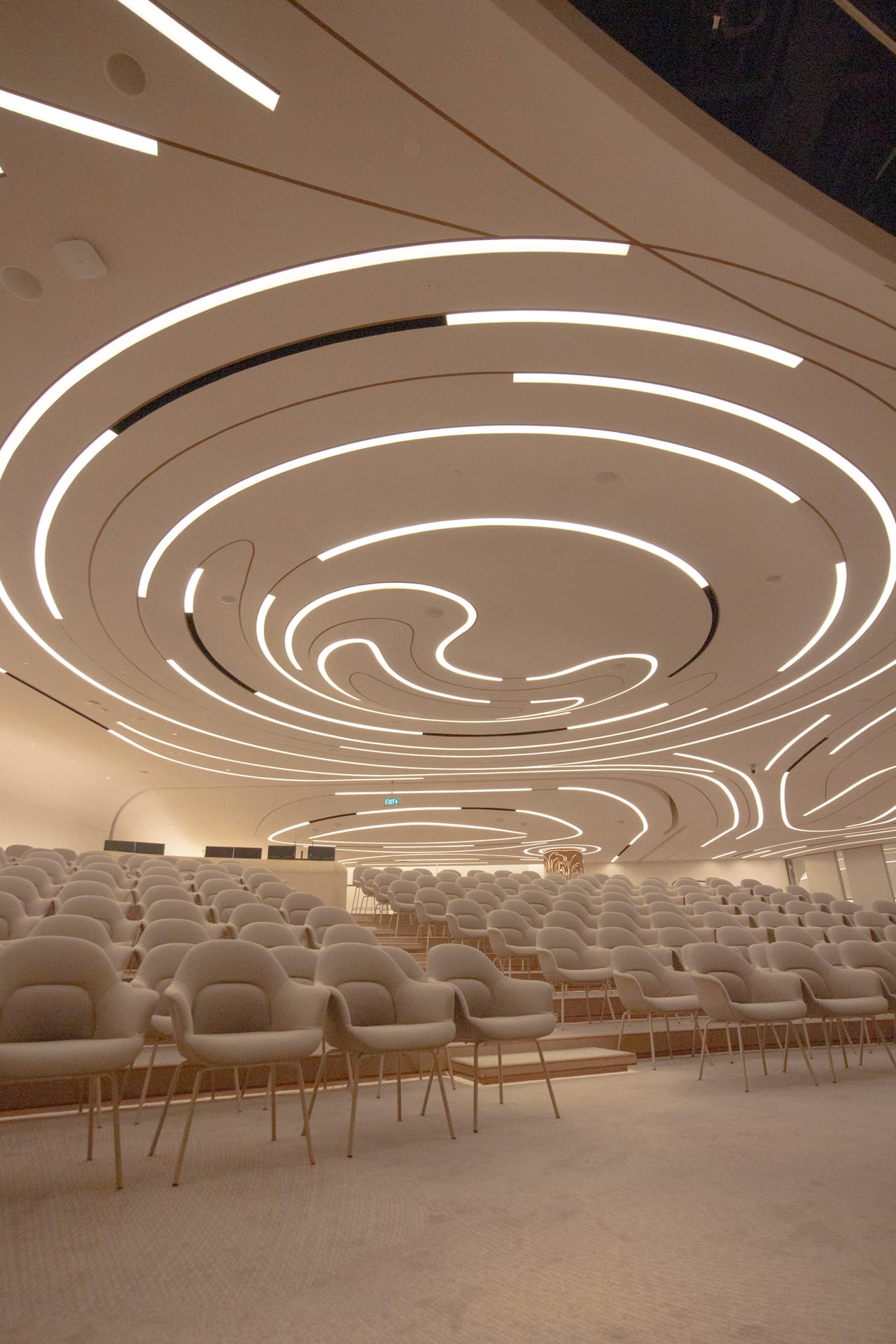
As buildings become more airtight and performance-driven, the health implications of material selection have moved to the forefront of architectural practice. Beyond energy efficiency and durability, architects are increasingly responsible for understanding how materials affect indoor environmental quality and occupant wellbeing. Health Product Declarations (HPDs) and Declare Red List Free strategies have emerged as essential tools for evaluating chemical transparency and reducing exposure to substances known to harm human and environmental health. Together, they support a shift toward healthier, more accountable material specification in modern construction.¹
Foundations of Material Health Transparency
What a Health Product Declaration Communicates
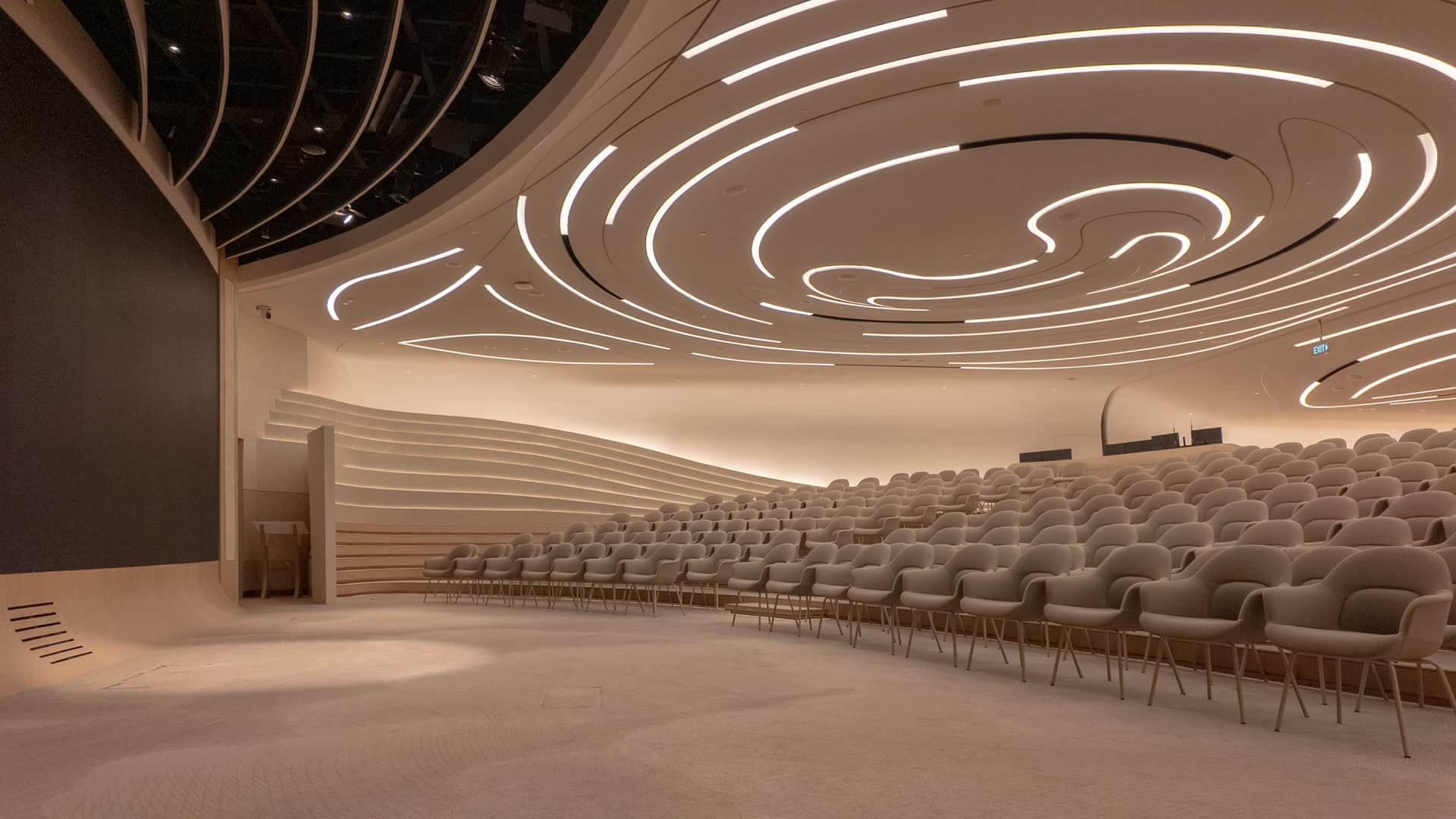
A Health Product Declaration is a standardised disclosure that reports the chemical ingredients of a product and their associated health hazards. Governed by the Health Product Declaration Collaborative, HPDs provide transparency down to specific thresholds, enabling architects to understand what materials contain rather than relying on generic environmental claims.² Unlike performance labels, HPDs focus on chemical composition and hazard screening, supporting informed decision-making where occupant health is a priority.
Understanding the Declare Label Framework
The Declare programme, developed by the International Living Future Institute, functions as a “nutrition label” for building products. Declare labels disclose product ingredients, manufacturing location, and end-of-life options, while clearly identifying whether a product is Red List Free, Red List Compliant, or Red List Declared.³ This simplicity allows designers to quickly assess material health alignment during specification without extensive technical analysis.
The Red List and Why It Matters
The Red List is a compilation of chemicals commonly found in building materials that pose risks to human health and ecosystems, including certain flame retardants, phthalates, and heavy metals.³ Red List Free products contain none of these substances above threshold levels, making them particularly valuable in projects prioritising wellness, childcare, education, and healthcare environments. Avoiding Red List chemicals reduces long-term exposure risks and supports precautionary design strategies.
Why HPDs and Declare Matter in Specification
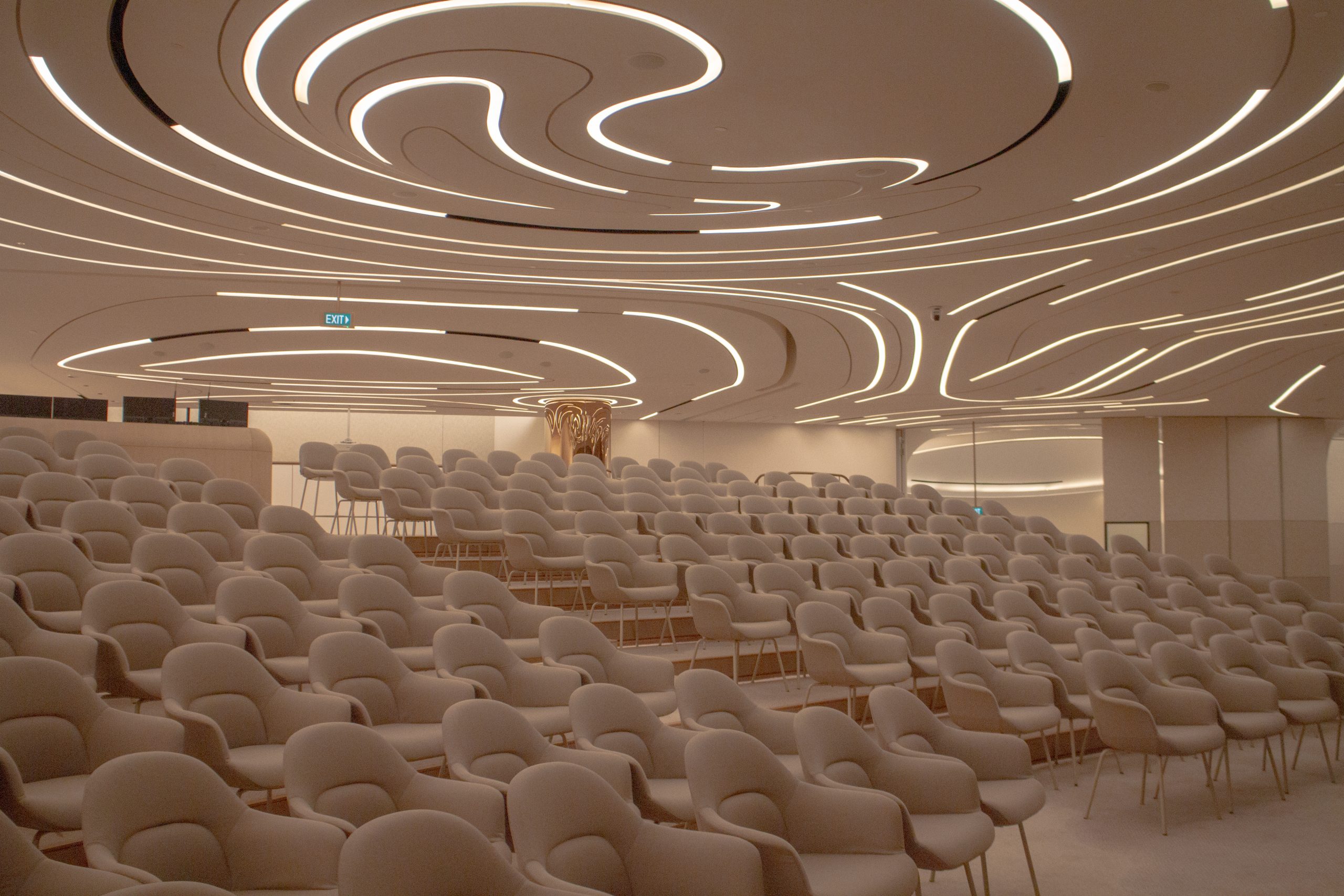
Material health transparency has become a critical complement to traditional sustainability metrics. While life-cycle assessments and embodied carbon calculations address environmental impact, HPDs and Declare focus on what materials expose occupants to on a daily basis. Architects increasingly rely on these tools to align design decisions with client health objectives, regulatory expectations, and evolving professional standards.⁴ In this context, HPDs and Declare labels function not as optional documentation, but as core specification instruments.
Integrating Health-Focused Material Strategies
Balancing Performance and Chemical Transparency
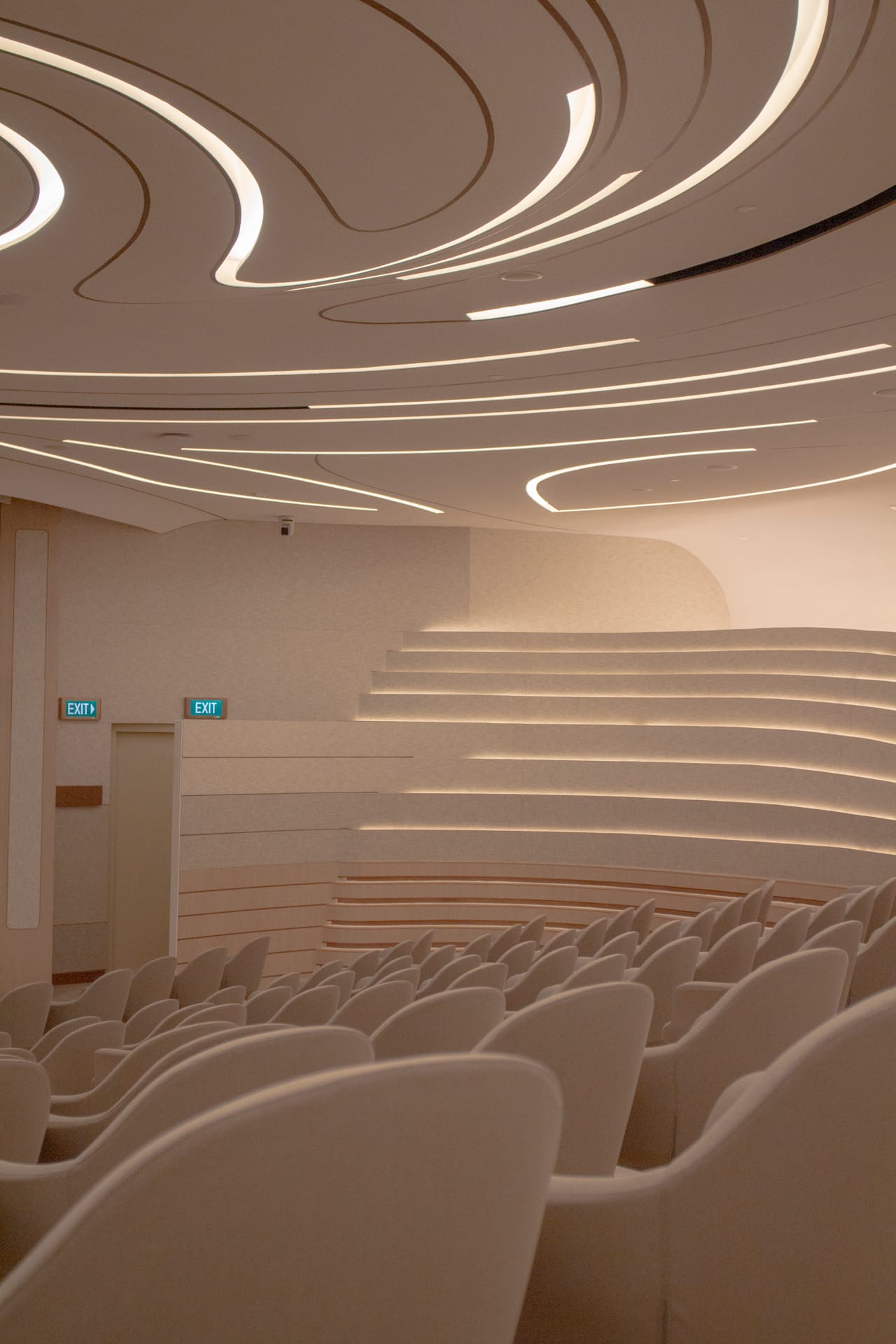
One challenge in adopting HPD and Declare Red List Free strategies is balancing material health with performance requirements such as fire resistance, acoustics, and durability. Advances in material science now allow manufacturers to use safer alternatives without compromising technical performance, expanding compliant options for demanding applications like acoustic panels and interior finishes.²
System-Level Thinking in Interior Assemblies
Material health cannot be evaluated in isolation. Adhesives, coatings, sealants, and backing materials may introduce hazardous substances even when primary products are transparent. Declare and HPD frameworks encourage system-level thinking by highlighting the need to evaluate complete assemblies rather than individual components.³ This holistic approach reduces unintended chemical exposure and improves overall indoor environmental quality.
Alignment with Green Building Frameworks
HPDs, Declare, and LEED v4.1
Green building certification systems increasingly reward material transparency alongside environmental performance. LEED v4 and v4.1 include credits for products with HPDs and Declare labels, recognising their role in advancing healthier interiors.⁵ By specifying products with disclosed ingredients and verified Red List status, architects can contribute to certification targets while supporting market transformation toward safer materials.
Supporting WELL and Health-Centred Design
Health-focused standards such as the WELL Building Standard emphasise reducing occupant exposure to hazardous substances. HPDs and Declare Red List Free products directly support WELL concepts related to material safety and indoor air quality.⁶ For projects where wellbeing is a primary driver, these tools provide measurable pathways for aligning material selection with health-based performance criteria.
Advancing Health-Driven Material Selection
Health Product Declarations and Declare Red List Free strategies represent a fundamental shift in how architects engage with material responsibility. By prioritising transparency and chemical safety, these tools move design practice beyond assumptions toward evidence-based decision-making. Their value lies not in prescribing a single “best” material, but in empowering architects to understand trade-offs, reduce health risks, and align specifications with evolving expectations for occupant wellbeing. As awareness of indoor environmental health continues to grow, HPDs and Declare will remain central to creating interiors that are not only sustainable and high-performing, but genuinely supportive of human health. In this way, material transparency becomes both a professional obligation and an opportunity to redefine quality in the built environment.
References
- Health Product Declaration Collaborative. (2021). Health product declaration open standard. Health Product Declaration Collaborative. https://www.hpd-collaborative.org/hpd-open-standard-all-versions/
- Health Product Declaration Collaborative. (2026). HPD public repository. Health Product Declaration Collaborative. https://www.hpd-collaborative.org/hpd-public-repository-3/
- International Living Future Institute. (2026). Declare Labels. International Living Future Institute. https://declare.living-future.org
- International Living Future Institute. (2023). The Red List. International Living Future Institute. https://living-future.org/red-list/
- International WELL Building Institute. (2023). WELL building standard v2. International WELL Building Institute. https://www.wellcertified.com/standard
- U.S. Green Building Council. (2026). LEED Credit Library. U.S. Green Building Council. https://www.usgbc.org/credits
Share