Interior Systems That Are Both Fire-Rated and Environmentally Certified”
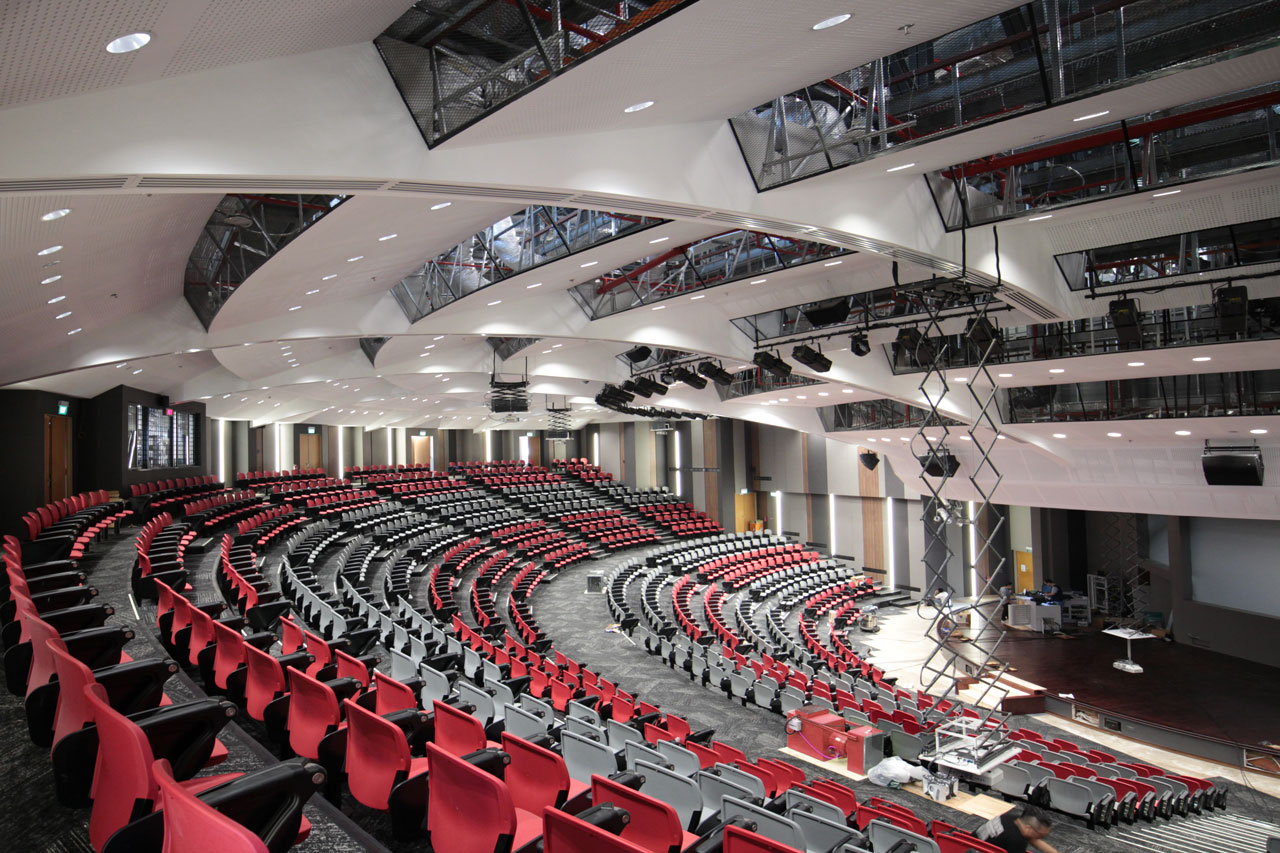
Fire-Rated and Environmentally Certified Interior System
As building standards advance globally, interior systems must do more than meet aesthetic and functional expectations—they must perform under safety codes while aligning with sustainability frameworks. Interior panels, baffles, and partitions today are expected to be both fire-rated and environmentally certified. With regulatory pressure increasing and submission requirements becoming more complex, specifiers are now seeking materials that deliver verified fire resistance and low environmental impact in a single, traceable package.

Dual Compliance Across Safety and Sustainability Standards
Understanding Material Fire Ratings and VOC Limits
EN 13501-1 is the benchmark for fire performance in cladding systems, with Class B-s1-d0 often required for high-occupancy interiors. This rating certifies materials for low flame spread, smoke development, and dripping hazard. At the same time, interior materials must meet VOC limits defined under frameworks like LEED v4.1, WELL, and SGBP. Formaldehyde content, TVOC emissions, and absence of hazardous flame retardants are increasingly tracked to ensure occupant health.
Why Certification Alignment Matters
Interior systems that hold both fire and environmental certifications simplify procurement and documentation. A Class B-s1-d0 panel that is also GREENGUARD Gold or Red List Free supports compliance across multiple verticals—acoustic performance, indoor air quality, and fire safety—while reducing the submission load. These multi-certified products are particularly critical in healthcare, education, and transport interiors, where audit scrutiny is highest.

Specifying Verified Systems with Multi-Certification
Fire-Rated and Low-VOC Acoustic Panels
PET fiber panels and micro-perforated timber systems can now achieve both EN 13501-1 and low-VOC ratings. Manufacturers achieve this by engineering non-halogenated flame retardants and formaldehyde-free binders into their substrate compositions. These products offer NRC-tested acoustic performance alongside low emissions—supporting both WELL and BCA Green Mark criteria in public spaces.
Red List Free and EPD-Backed Cladding
Red List Free materials eliminate chemicals of concern from the building envelope. Panels with Declare labels and Type III Environmental Product Declarations (EPDs) support transparency for green rating schemes. When fire-rated cladding carries both Red List Free and EPD documentation, teams can earn credits under LEED’s Material Ingredient Reporting and Life-Cycle Impact Reduction.

Project Applications in High-Spec Interior Spaces
Healthcare, Education, and Public Sector Requirements
In government and institutional buildings, dual-certified materials are fast becoming baseline specifications. For instance, Fabrix™ fabric track systems installed in healthcare offices are both GREENGUARD Gold certified and Class B-s1-d0 fire-rated. Similarly, Timberix™ slatted panels in lecture theatres meet both fire and environmental benchmarks, streamlining submission for BCA Green Mark and LEED.
Streamlining Tender Packages and Approvals
Materials that come pre-tested for fire safety and emissions simplify consultant reviews. With test reports, HPDs, EPDs, and fire classification available upfront, teams can submit tender packages with fewer RFIs and achieve smoother approvals. This reduces risk of substitution requests or compliance gaps during build stages—especially for projects targeting LEED, WELL, or Green Mark Platinum.
Digital Tools and Submission Integration
Linking Certifications in BIM and Submittals
BIM-integrated cladding libraries now carry metadata for fire rating, VOC classification, and ingredient declarations. This ensures compliance pathways are embedded in the model, reducing manual coordination. AI-powered platforms also alert teams when specifications lack the required fire or emission ratings, improving pre-submission accuracy.
Reducing Rework with Pre-Verified Materials
Projects that specify dual-certified systems from the outset avoid last-minute redesigns due to non-compliant finishes. This reduces waste, accelerates handover, and improves audit readiness. Design teams benefit from coordinated shop drawings, linked compliance reports, and a clear trail for internal and regulatory reviews.
Where Safety and Sustainability Intersect
As the built environment moves toward performance-driven design, material choices must align with both fire safety and environmental responsibility. By specifying interior systems that are certified on both fronts, project teams protect occupant health, meet code requirements, and reduce submission delays.
With systems like Aid’s Timberix™, Polyx™, and Fabrix™—engineered to meet Class B-s1-d0 and low-VOC thresholds—designers no longer have to choose between safety and sustainability. These materials represent a new standard for interior compliance: responsive, reliable, and ready for the future.
References
- U.S. Green Building Council. (2023). LEED v4.1 Building Design and Construction.
- Singapore Green Building Council. (2023). SGBP Certification Framework.
- International WELL Building Institute. (2023). WELL v2 Building Standard.
- UL GREENGUARD. (2023). Certification Criteria for Low-Emitting Materials.
- Living Future Institute. (2023). Declare Red List Free Label.
- European Committee for Standardization. (2023). EN 13501-1: Fire Classification of Construction Products.
- Health Product Declaration Collaborative. (2023). HPD Open Standard v2.3.
- BuildingGreen. (2023). Material Health and Dual Compliance in Design.
- Autodesk Knowledge Network. (2023). BIM and Certification Metadata Integration.
- Green Building Advisor. (2022). Best Practices for Selecting Compliant Interior Finishes.
Share