The Future of Sustainable Soundscapes in Urban Architecture
The Future of Sustainable Soundscapes in Urban Architecture
As cities grow denser, the demand for spaces that balance acoustic comfort with environmental performance has never been greater. From schools to subways, the soundscape of urban life directly impacts health, productivity, and overall well-being. Today, sustainability and acoustics are no longer separate considerations. With smart materials and AI-driven design, architects can now shape interior environments that reduce noise pollution while advancing green building goals.

Acoustic Strategy as an Urban Sustainability Driver
Designing for Acoustic Well-Being in Cities
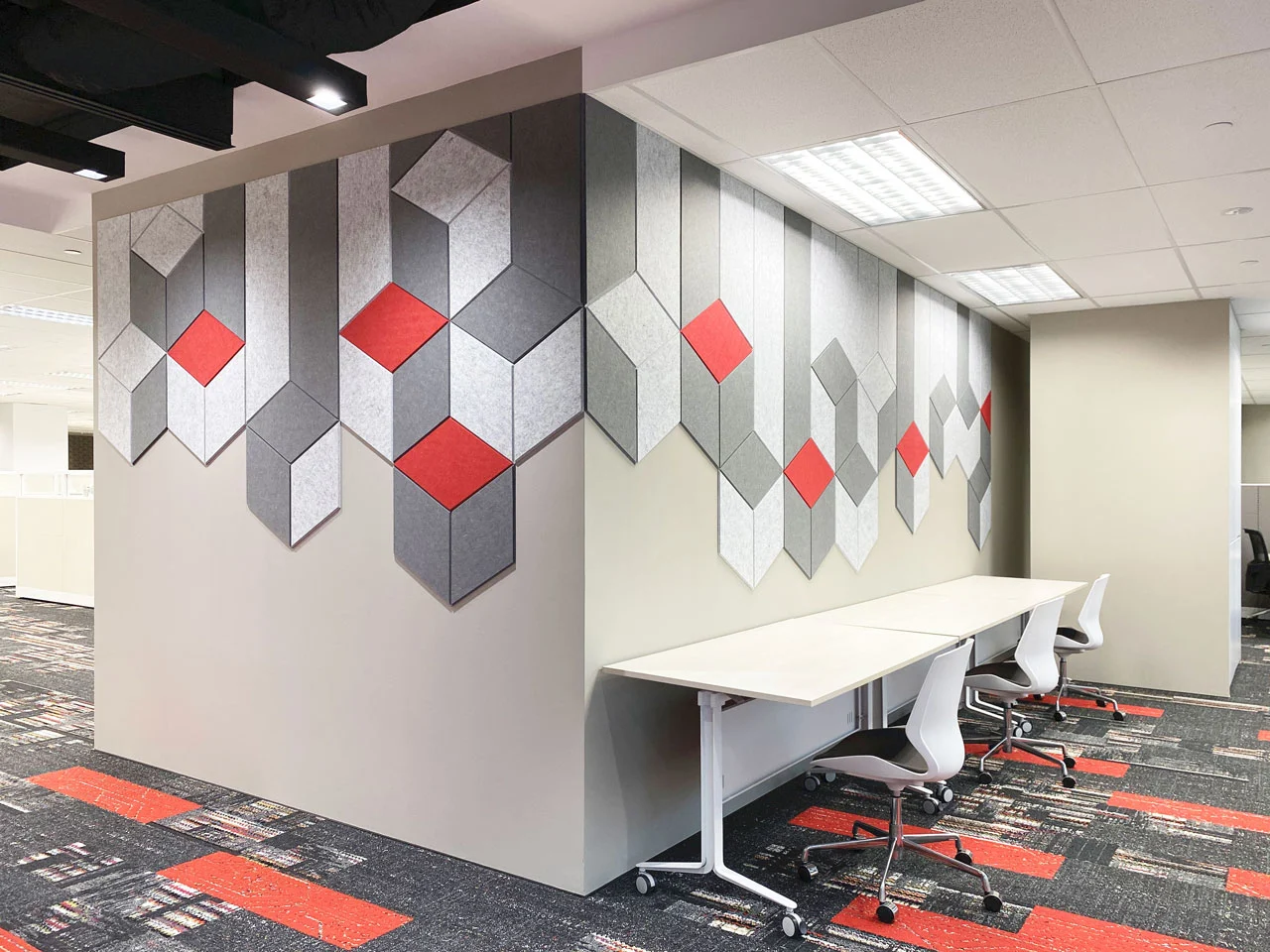
Urban noise has become a public health concern. Prolonged exposure to high decibel levels is linked to increased stress, reduced cognitive performance, and cardiovascular issues. Interior spaces—especially in schools, hospitals, and transit centers—must be designed with sound control in mind. Sustainable acoustic panels made from recycled materials or renewable fibers offer dual benefits: they absorb disruptive sound waves and contribute toward green certifications like LEED and WELL.
Integrated Planning for Environmental and Acoustic Metrics
When acoustic performance is prioritized early in the design phase, it unlocks synergies with environmental performance. Using Building Information Modelling (BIM) and predictive acoustic simulation, designers can test how material choices affect reverberation time and overall sound absorption. These digital tools allow for fine-tuning wall, ceiling, and floor assemblies to meet both acoustic targets and sustainability thresholds such as VOC limits and embodied carbon.

Predictive Tools for Green Acoustic Design
Modelling Noise Transmission at the Design Stage
AI-powered acoustic simulation tools are now capable of modelling sound travel across interior and exterior environments. These tools assess sound reflection, absorption, and transmission loss across various material combinations—before a single panel is installed. When integrated with databases for sustainable materials, the tools help identify which assemblies perform best acoustically while meeting low-emission standards.
Aligning Sound Control with LEED and WELL Credits
Many green building rating systems reward projects that reduce noise levels and improve occupant comfort. For instance, LEED v4.1 includes credits for acoustic performance in schools and offices, while WELL v2 focuses on sound masking and background noise reduction. AI-enhanced modelling helps track these metrics and ensures that selected acoustic systems contribute directly to certification requirements.
Material Innovation and Circular Soundscapes
Low-Emission and Recycled Acoustic Panels
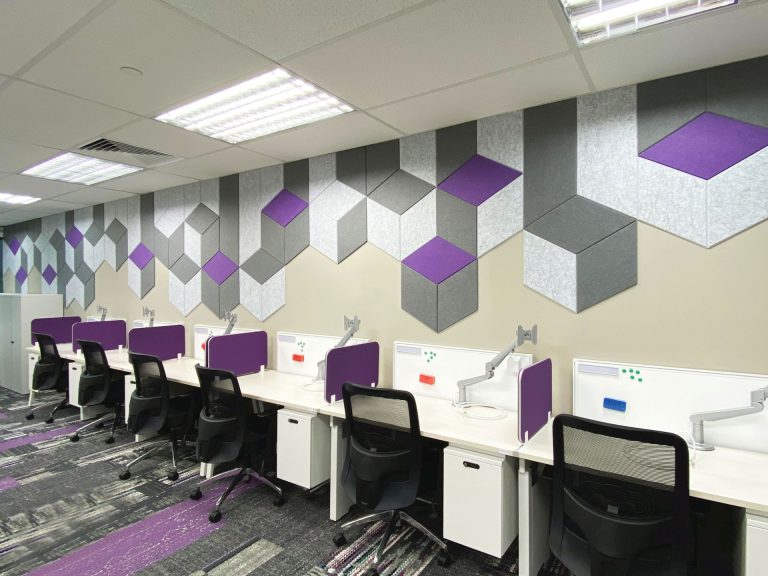
Sustainable soundscape design depends on selecting acoustic materials that are low in VOCs and high in recycled content. Wood wool, PET fiber, and biodegradable foams are gaining popularity for their ability to combine acoustic performance with eco-credentials. Panels certified with GREENGUARD or Red List Free status are especially valuable in projects prioritizing indoor air quality and wellness.
Designing for Reuse and End-of-Life Impact
Beyond installation, forward-thinking acoustic systems are now designed with disassembly and reuse in mind. Modular baffles, demountable panels, and adhesive-free systems allow materials to be repurposed at the end of a building’s life cycle. This circular approach reduces waste and aligns with the Material Ingredient Reporting and Life-Cycle Impact Reduction credits under LEED.
Digital Soundscapes and Intelligent Environments
Real-Time Acoustic Feedback in Smart Buildings
With the rise of IoT and sensor-integrated buildings, real-time monitoring of acoustic conditions is now possible. Smart systems adjust background music, white noise levels, or HVAC noise based on occupancy and time of day. These environments not only improve comfort but also demonstrate measurable acoustic efficiency—data that supports post-occupancy evaluations and ongoing building performance audits.
Data-Driven Soundproofing Across Public Infrastructure
In transit hubs, healthcare facilities, and open offices, AI-based systems can monitor and adjust soundproofing elements based on user feedback or decibel thresholds. Digital twins simulate different acoustic assemblies under real-world stressors, allowing teams to test materials before specification. This ensures optimal comfort without excess material use, promoting both acoustic and material efficiency.
A Holistic Future for Acoustic Sustainability
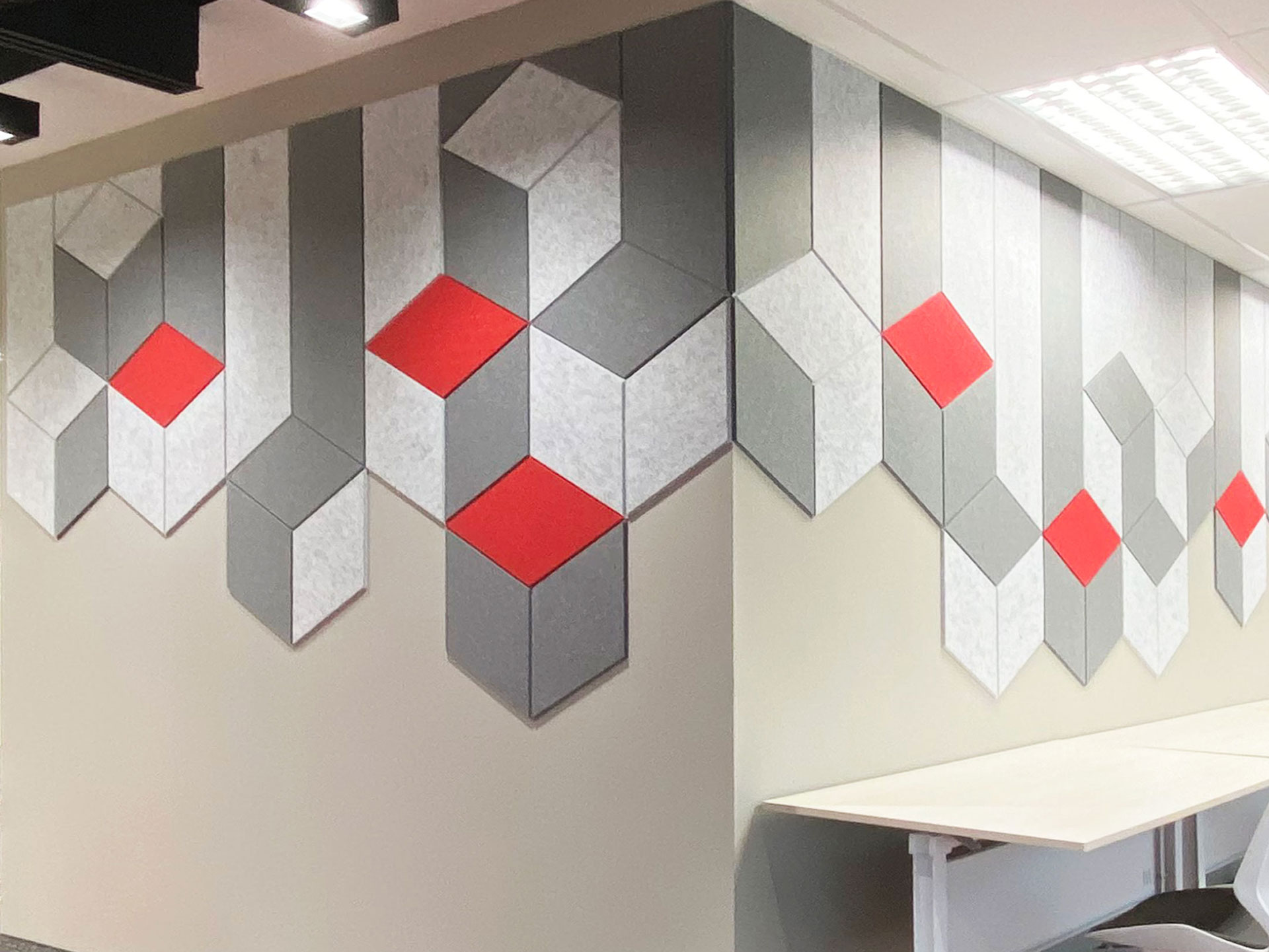
Urban environments demand more than just noise reduction—they call for intelligent soundscapes that align with environmental values. From predictive modelling to recyclable panels, today’s tools empower project teams to prioritize both wellness and sustainability in acoustic design. This convergence supports cities that sound—and feel—better to live in.
Sustainable acoustic design will play an increasingly central role in future cities. With the help of AI, data-integrated systems, and low-impact materials, architects and engineers can deliver spaces that respond to both human and ecological needs—redefining how we listen, live, and build.
References
- World Health Organization. (2018). Environmental noise guidelines for the European Region.
- U.S. Green Building Council. (2023). LEED v4.1 Building Design and Construction.
- International WELL Building Institute. (2023). WELL v2 Building Standard.
- Acoustic Bulletin. (2022). The Future of Sound in Sustainable Architecture.
- BuildingGreen. (2023). Acoustics and the WELL Building Standard.
- Harvard T.H. Chan School of Public Health. (2019). The impact of noise on health and performance.
- Acoustic Society of America. (2021). Standards for Building Acoustics.
- Declare Program. (2023). Red List Free Materials Database.
- Green Building Council of Australia. (2023). Green Star Interiors: Acoustic Criteria and Soundscapes.
- Journal of Building Performance. (2021). AI in Acoustic Design for Smart Buildings.
Share