Low-VOC Acoustic Panel Solutions for Health-Focused Interiors
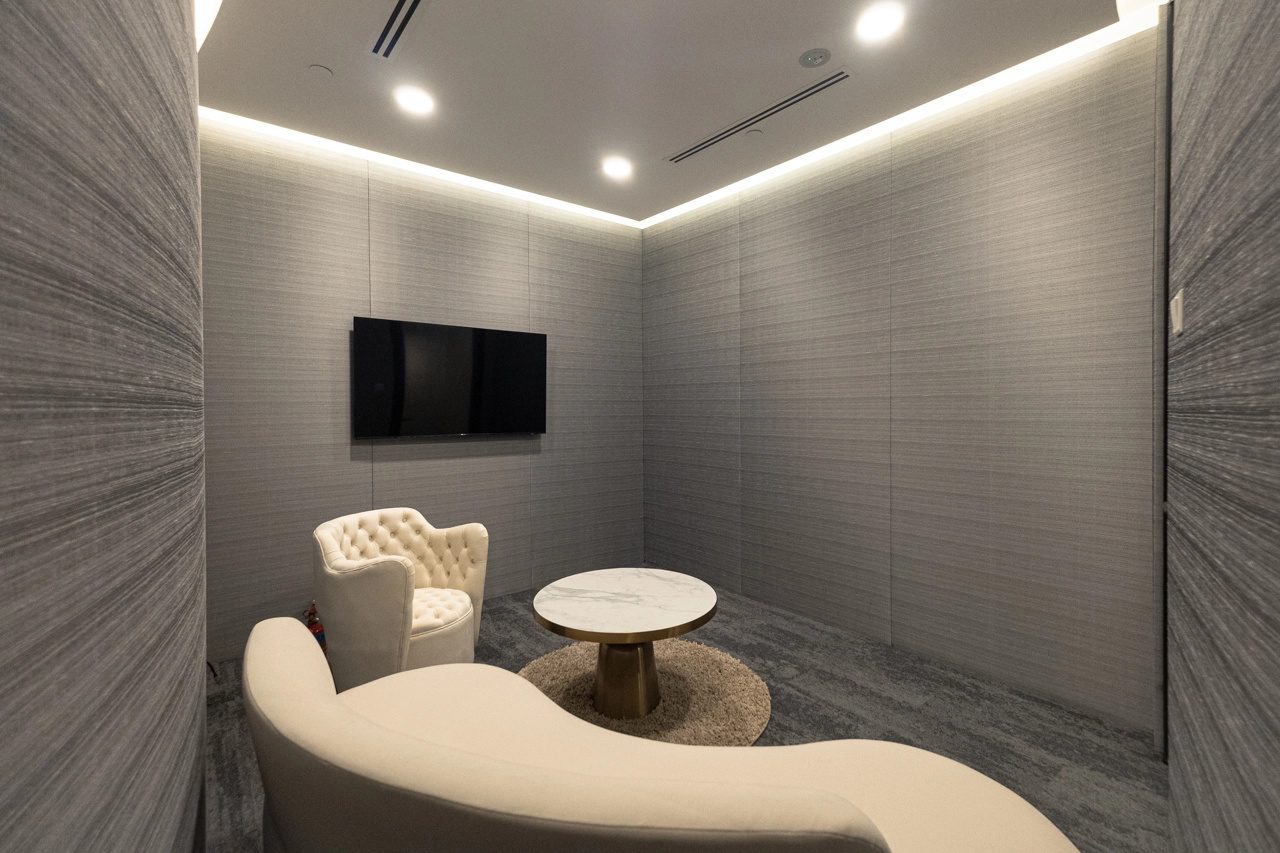
The Growing Importance of Emissions-Conscious Acoustic Design
Acoustic panels have long been specified to manage reverberation, speech intelligibility, and noise control in interior environments. However, as buildings become more airtight and occupants spend increasing amounts of time indoors, material emissions have emerged as a critical performance factor alongside acoustic effectiveness. Low-VOC acoustic panel solutions now sit at the intersection of sound control, indoor air quality, and human health, making them essential components in health-focused interior design strategies.¹

Understanding VOCs in Interior Acoustic Materials
What VOCs Are and Why They Matter Indoors
Volatile Organic Compounds (VOCs) are carbon-based chemicals that evaporate easily at room temperature and are commonly released from building materials, finishes, adhesives, and furnishings. In enclosed interiors, elevated VOC concentrations can contribute to respiratory irritation, headaches, and long-term health risks.¹ Acoustic panels, particularly those incorporating binders, resins, or surface finishes, can be a significant source of VOC emissions if not properly specified.
Common VOC Sources in Acoustic Panel Systems
Traditional acoustic panels may contain VOCs originating from petrochemical binders, solvent-based coatings, formaldehyde-based adhesives, or synthetic backers. Installation accessories such as spray adhesives and sealants can further increase emission loads.² Health-focused acoustic design therefore requires a system-level approach that considers panel composition, surface treatment, and installation methodology together.
The Relationship Between Acoustics and Indoor Air Quality
Acoustic comfort and indoor air quality are often addressed separately, yet they are closely linked through material selection. Panels designed for low emissions must still meet acoustic absorption targets across relevant frequency ranges. Advances in mineral wool, PET-based, and bio-based acoustic materials have made it possible to achieve high NRC values while maintaining strict VOC emission limits, supporting both auditory and physiological wellbeing.³

Performance Standards and Emissions Testing
To verify low-VOC performance, acoustic panels are commonly evaluated using standardised chamber testing methods. The California Department of Public Health (CDPH) Standard Method v1.2 establishes emission thresholds widely referenced by green building programmes.⁴ Products tested under this method provide quantifiable assurance that emissions remain within health-protective limits, enabling designers to specify acoustic solutions with confidence.

Material Innovations in Low-VOC Acoustic Panels
PET, Mineral, and Bio-Based Acoustic Cores
Low-VOC acoustic panels increasingly rely on PET fibres, mineral wool, or plant-based materials that inherently emit fewer volatile compounds. PET panels manufactured from recycled plastic bottles are particularly notable for combining low emissions with high acoustic absorption and dimensional stability.³ Mineral-based panels offer excellent fire performance and minimal off-gassing, making them suitable for high-occupancy interiors.
Low-Emission Finishes and Surface Treatments
Surface finishes play a decisive role in overall VOC performance. Water-based coatings, powder coatings, and untreated textile facings significantly reduce emissions compared to solvent-based alternatives.² In health-focused interiors, exposed or lightly finished acoustic surfaces are often preferred to minimise chemical load while maintaining visual quality.
Adhesive-Free and Demountable Installation Systems
Installation methods can undermine otherwise low-VOC products. Mechanical fixing systems, clip-on rails, and modular track systems eliminate the need for wet adhesives, reducing on-site emissions and supporting cleaner installation environments.⁵ Demountable systems also enhance material reuse and adaptability, aligning health considerations with sustainability goals.
Alignment with Health and Sustainability Frameworks
Low-VOC Acoustic Panels and LEED
Green building frameworks increasingly prioritise emissions performance as part of indoor environmental quality. LEED v4.1 rewards projects that specify low-emitting materials, including acoustic panels tested under recognised protocols.⁶ Acoustic products with verified emissions data contribute directly to compliance while supporting occupant comfort and productivity.
FloorScore, Declare, and Material Transparency
Third-party programmes such as FloorScore (for flooring-adjacent acoustic elements) and Declare labels provide additional transparency regarding chemical content and emissions.⁷ Declare Red List Free acoustic panels, in particular, help designers avoid substances known to pose risks to human health, reinforcing trust in material choices for sensitive interior environments.
Designing Health-Focused Acoustic Environments
Low-VOC acoustic panel solutions represent a critical evolution in interior design, where sound control, air quality, and human health are addressed as interdependent performance criteria rather than isolated objectives. By combining advanced material science, verified emissions testing, and transparent certification frameworks, designers can create interiors that are acoustically comfortable and physiologically supportive. As awareness of indoor environmental health continues to grow, low-VOC acoustic panels will play an increasingly central role in shaping workplaces, educational facilities, healthcare environments, and public interiors. Ultimately, health-focused acoustic design demonstrates that high performance and low environmental impact are not competing priorities, but complementary outcomes of informed, evidence-based specification.⁸
References
- U.S. Environmental Protection Agency. (2023). Volatile Organic Compounds’ Impact on Indoor Air Quality.
- Adamová, T., Hradecký, J., & Pánek, M. (2020). Volatile Organic Compounds (VOCs) from Wood and Wood-Based Panels: Methods for Evaluation, Potential Health Risks, and Mitigation. Polymers, 12(10), 2289.
- Korjakins, A., Sahmenko, G., & Lapkovskis, V. (2025). A Short Review of Recent Innovations in Acoustic Materials and Panel Design: Emphasizing Wood Composites for Enhanced Performance and Sustainability. Applied Sciences, 15(9), 4644.
- California Department of Public Health. (2017). Standard Method for the Testing and Evaluation of Volatile Organic Chemical Emissions from Indoor Sources Using Environmental Chambers Version 1.2.
- Zintra Acoustic. (2024). The power of the unseen: how acoustic and sustainable design is shaping a new aesthetic consciousness.
- U.S. Green Building Council. (2023). LEED v4.1 Building Design and Construction Guide.
- International Living Future Institute. (2024). Declare: The Nutrition Label for Products.
- International WELL Building Institute. (2022). WELL v2 Standard: Acoustics.
Share